
Funded by the European Union. Views and opinions expressed are however those of the author(s) only and do not necessarily reflect those of the European Union or State Education Development Agency Republic of Latvia (VIAA). Neither the European Union nor the granting authority can be held responsible for them.
Project number: 2023-2-LV01-KA210-ADU-000169885
“Courses – Use of digital tools and hybrid technologies in the education and training process”
Jan 8-11, 2025, Vilnius, Lithuania
The training focused on the practical use of digital tools and hybrid technologies in adult education, combining theoretical input with hands-on activities to strengthen participants’ skills. It aimed to increase confidence in applying digital solutions in educational and training processes while supporting cooperation and knowledge transfer among partner organizations.
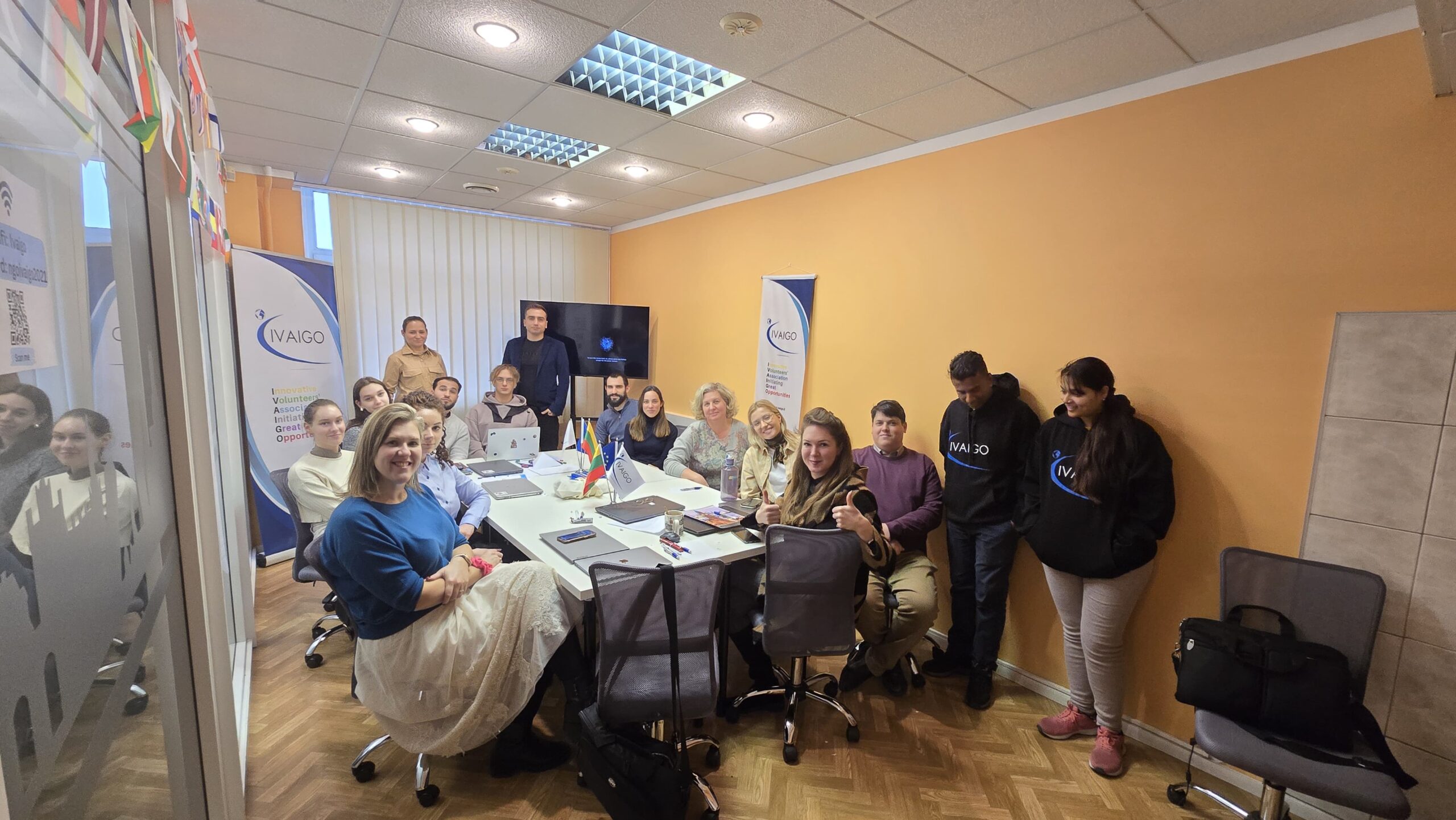
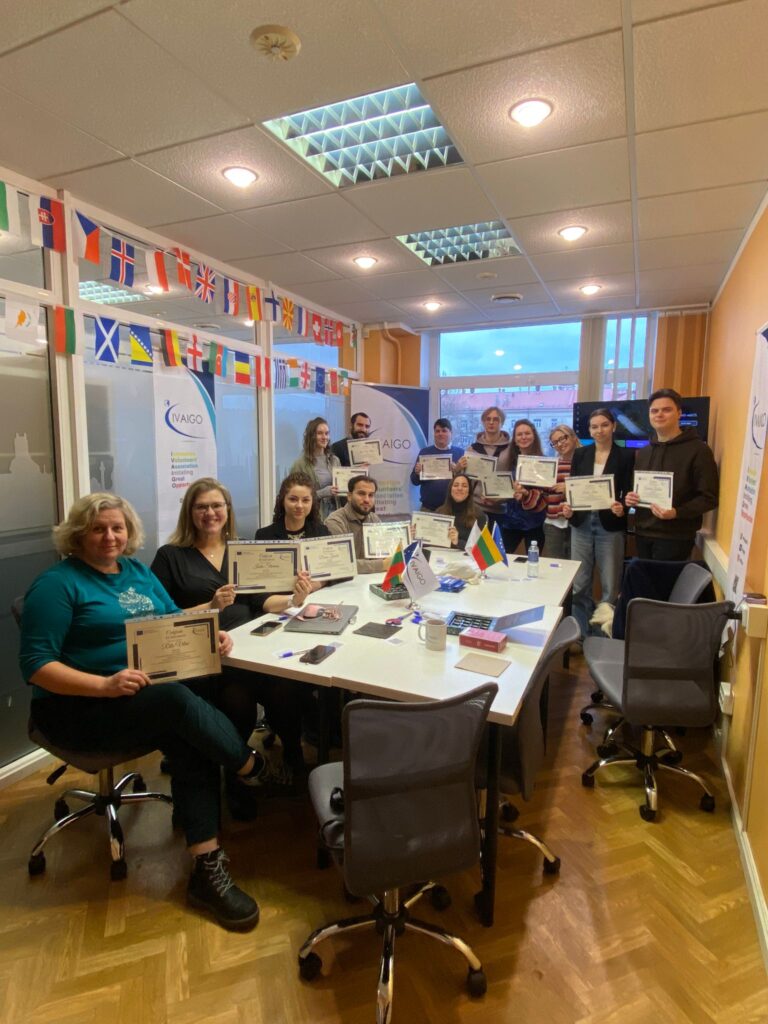
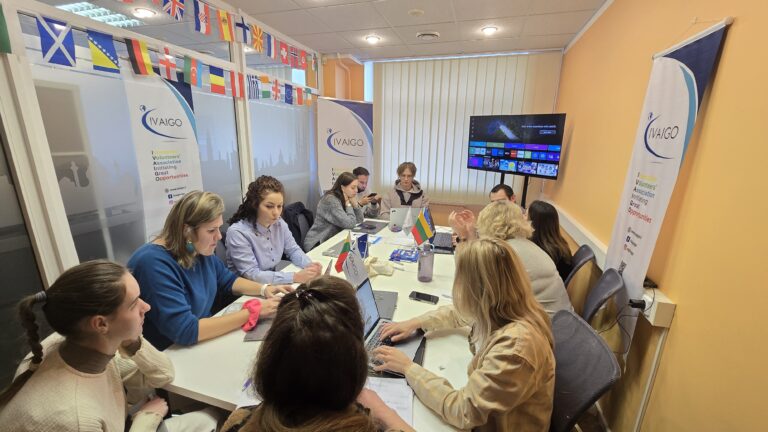
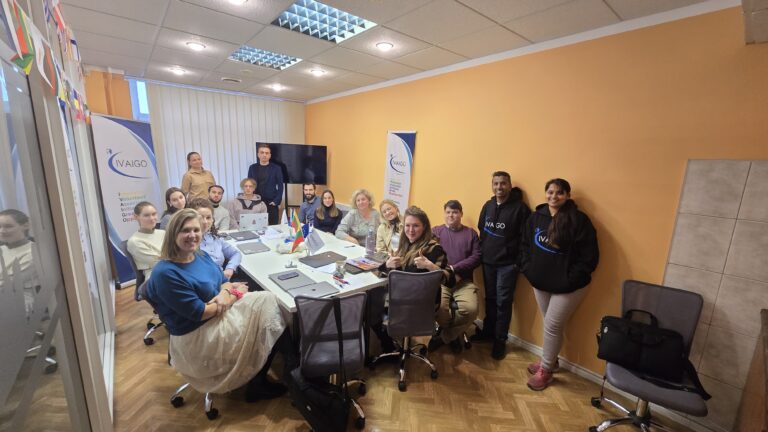
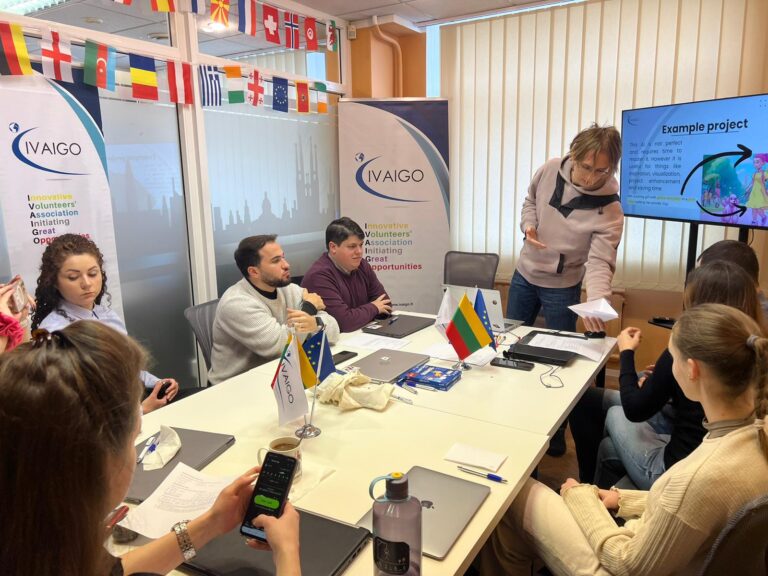
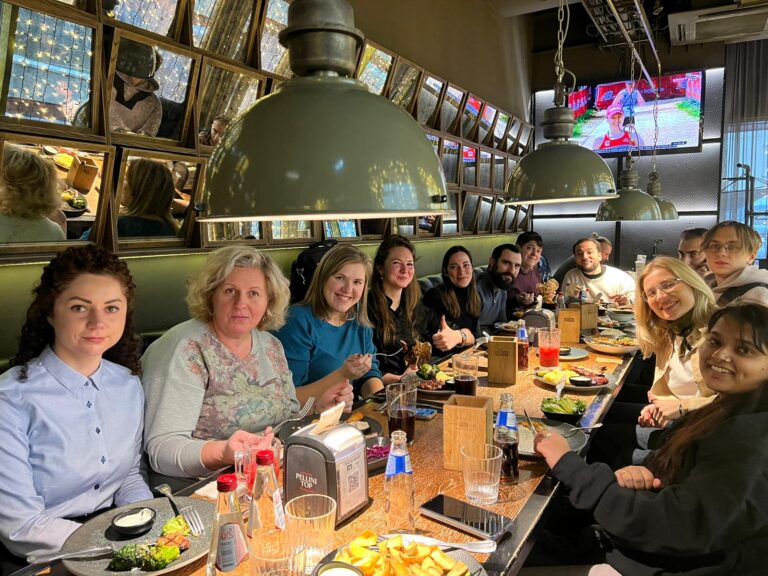
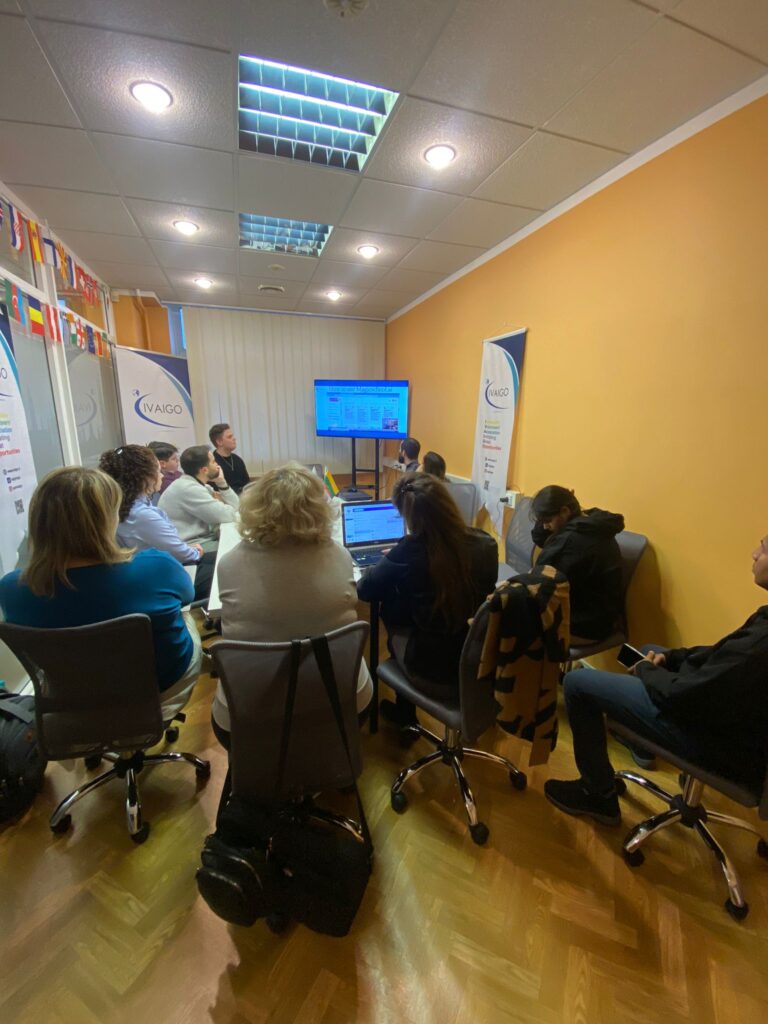
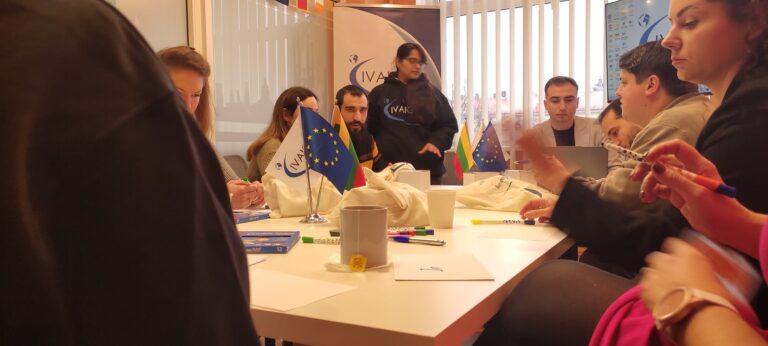
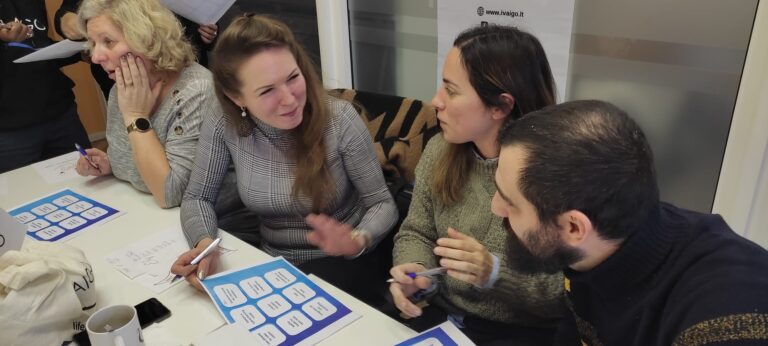
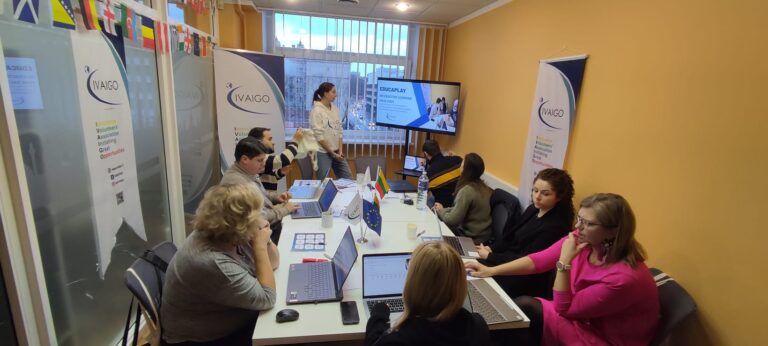
The international training course “Use of digital tools and hybrid technologies in the education and training process” was implemented in Vilnius, Lithuania, from 8 to 11 January 2025, pluss two travel days. The activity was organized by IVAIGO and brought together 16 participants from three partner organizations: 4 participants from Latvia (DIJA Ltd.), 4 from Spain (Neotalentway SL), and 8 from Lithuania (Association IVAIGO). This composition ensured a diverse, balanced, and collaborative learning environment, with the direct target group consisting of staff members, trainers, educators, and volunteers involved in adult education and training processes. The training course was delivered by a facilitator and combined theoretical presentations, concrete practical examples, and structured hands-on activities. Participants were introduced to a wide range of digital tools used in modern education and training, such as Biteable, Storyboarders, Educaplay, Padlet, MagicSchool, WordArt, Canva, and Lumen5. Clear explanations were provided regarding the functions, benefits, and limitations of each tool. Through numerous practical tasks and guided exercises, participants strengthened their practical skills, with particular attention paid to how digital solutions can effectively support and enhance educational and training processes in both vocational and general learning contexts. In addition, the course focused on the concept and practical application of hybrid technologies in learning. Real-life examples were discussed to demonstrate how hybrid approaches can successfully combine face-to-face and digital learning methods, while also addressing potential challenges such as learner engagement and digital accessibility. Alongside the formal learning activities, participants had the opportunity to discover Lithuanian culture and the local context, which supported intercultural learning and informal exchange. Continuous communication and collaboration during the course contributed to stronger cooperation and mutual understanding among the participating organizations. The programme concluded with structured discussions, joint evaluation, and a review of learning results, enabling participants to reflect on the acquired knowledge and skills. After the training, participants committed to sharing and applying the gained competences within their own organizations, ensuring effective transfer of learning, sustainability of results, and added value for future educational and training activities. In addition, it should be highlighted that the Latvian team used a green and environmentally friendly travel option, travelling by bus on the route Riga – Vilnius. This sustainable travel choice helped reduce the environmental impact of mobility and demonstrated the participants’ commitment to environmentally responsible practices within international training activities.
More info about partners:
IVAIGO: https://www.ivaigo.lt/projects-1/digitalization-makes-sense
NEOTALENTWAY: https://neotalentway.com/digitalization-makes-sense/
 English