
Funded by the European Union. Views and opinions expressed are however those of the author(s) only and do not necessarily reflect those of the European Union or State Education Development Agency Republic of Latvia (VIAA). Neither the European Union nor the granting authority can be held responsible for them.
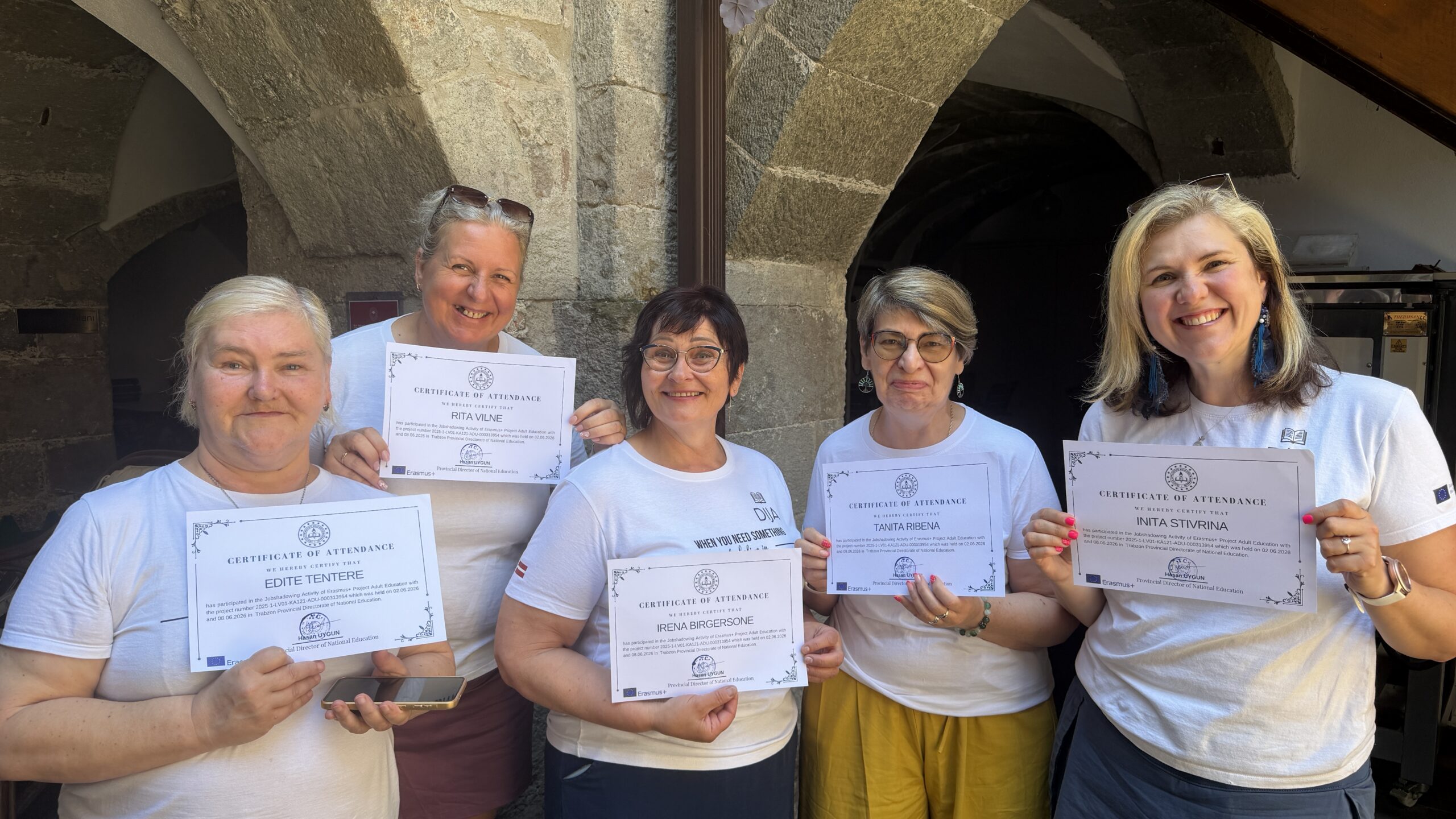
Project number: 2025-1-LV01-KA121-ADU-000313954
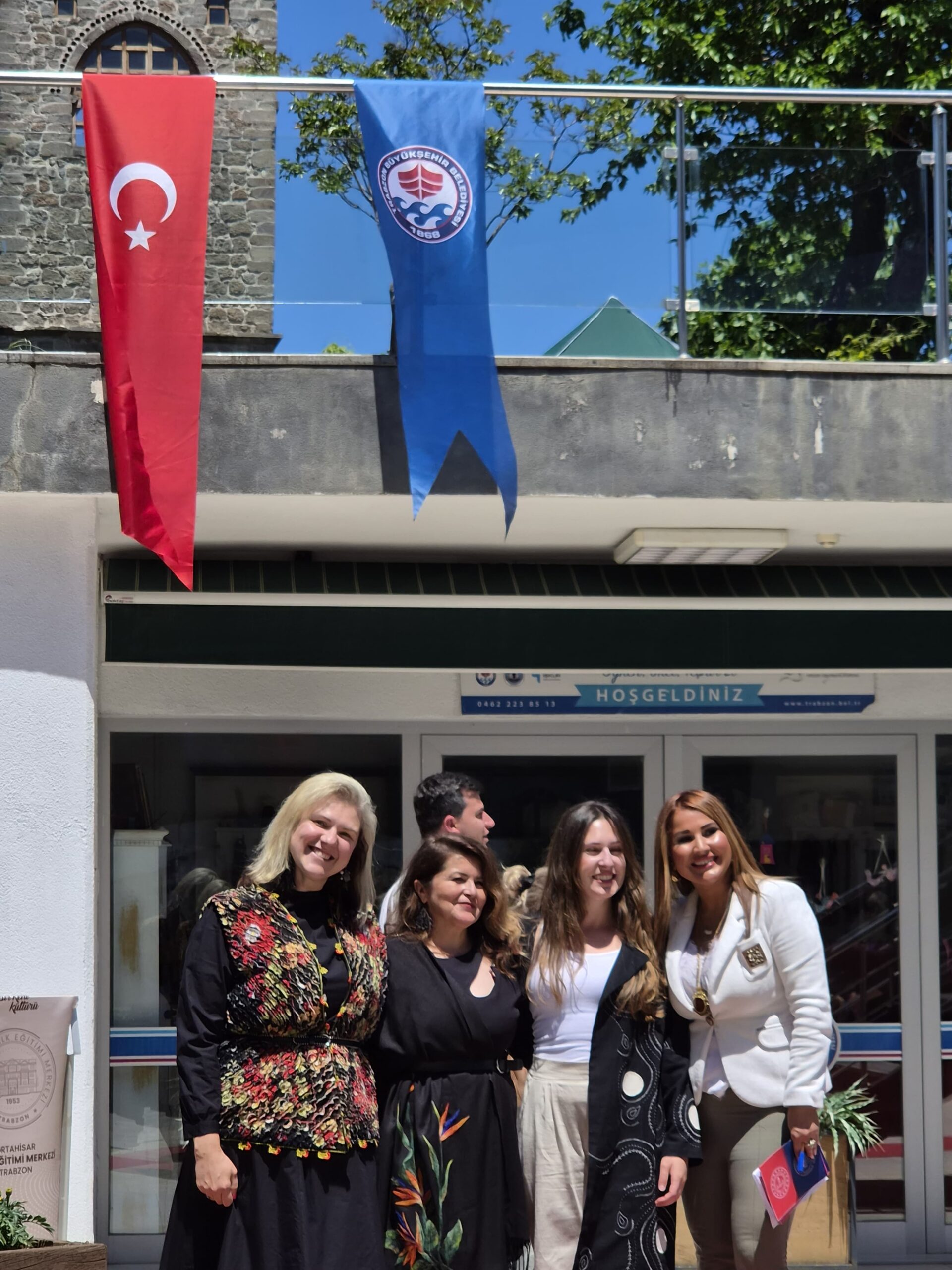
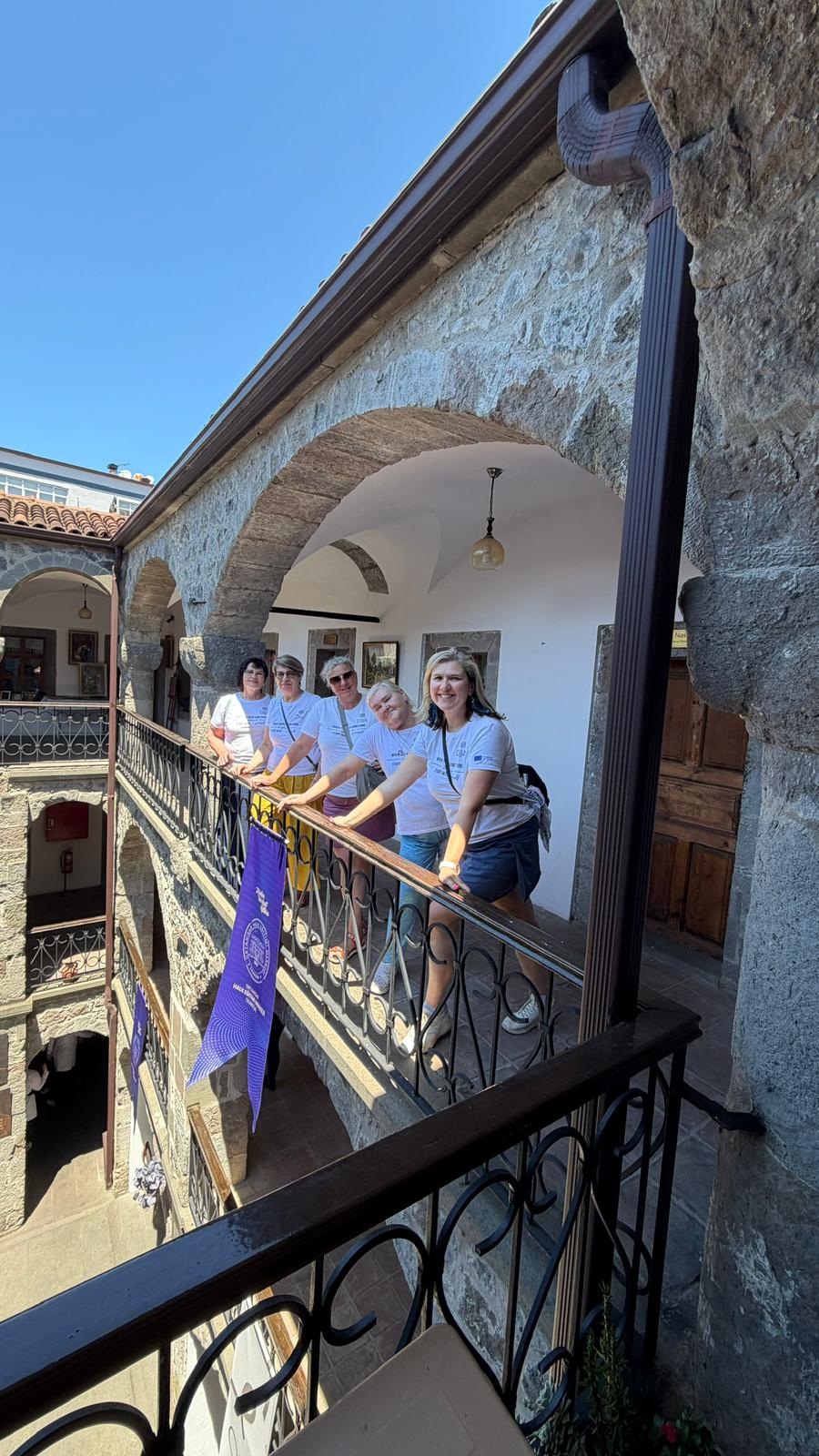
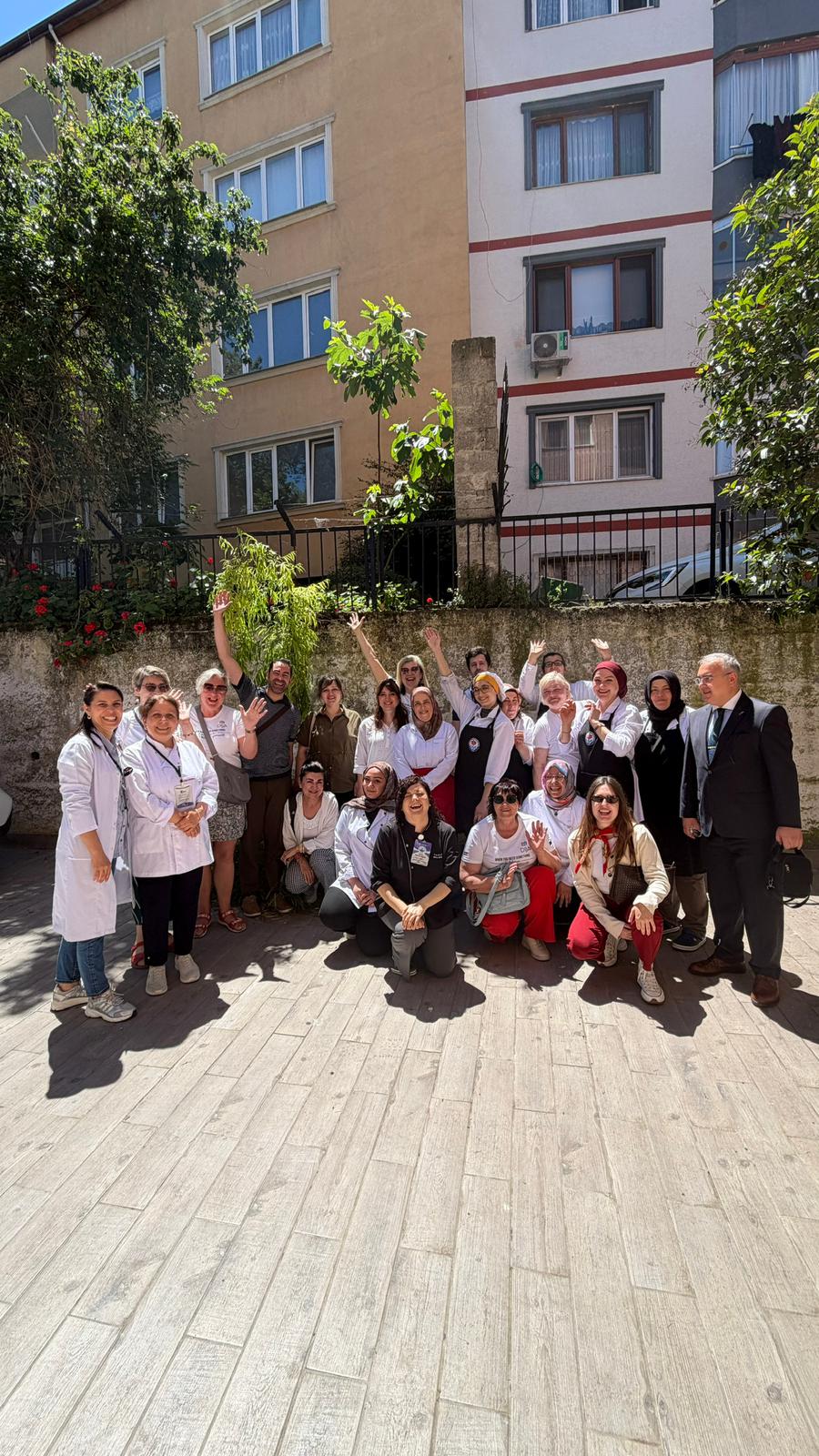
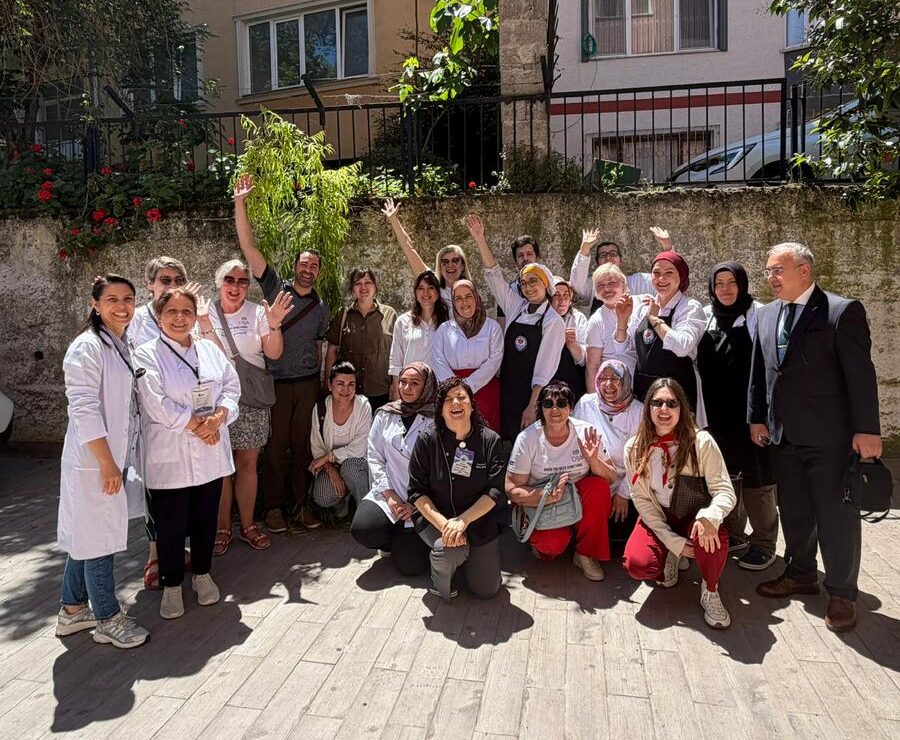
Host organisation: Trabzon Provincial Directorate of National Education, Trabzon
Participants from DIJA: 5
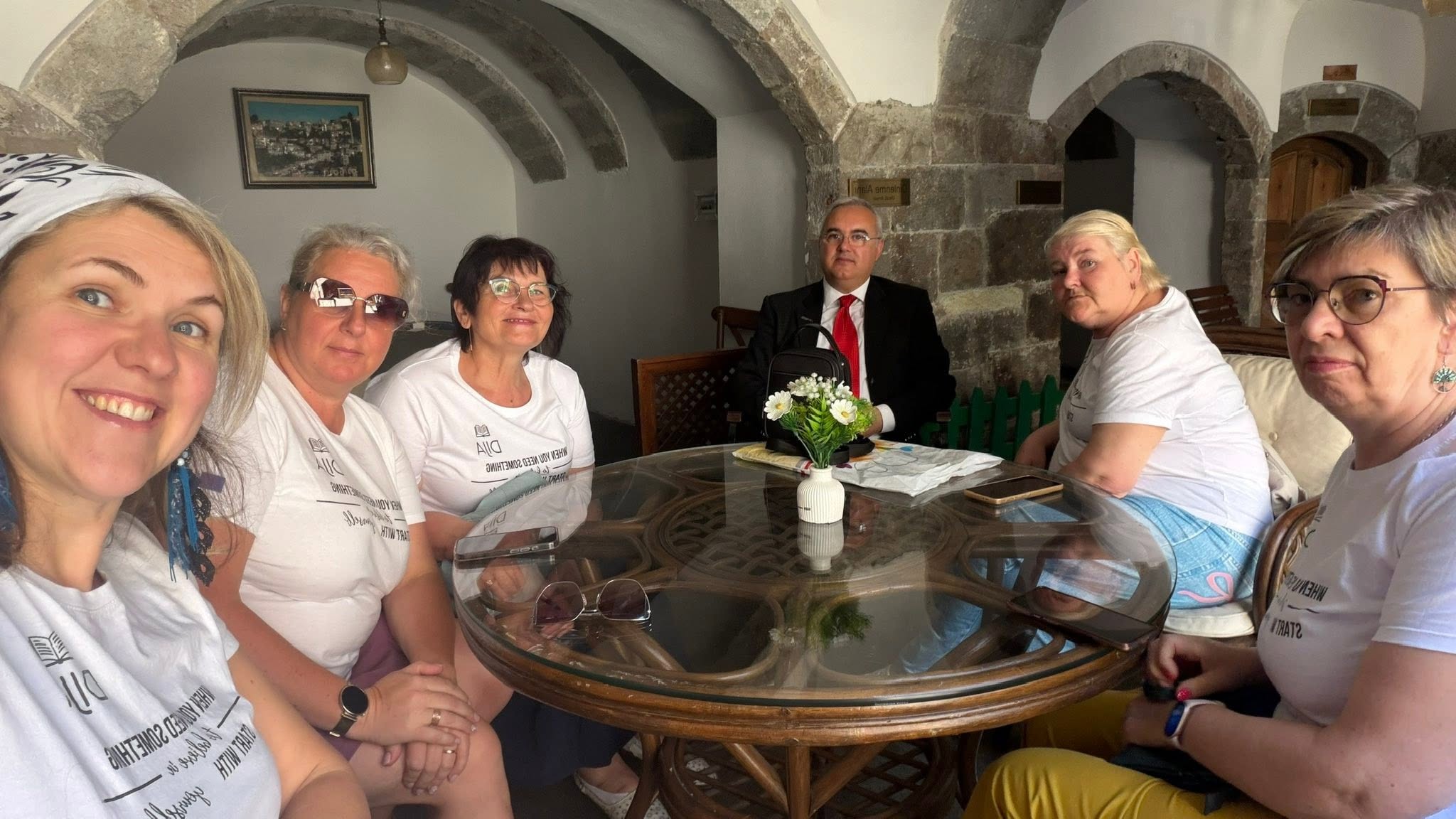
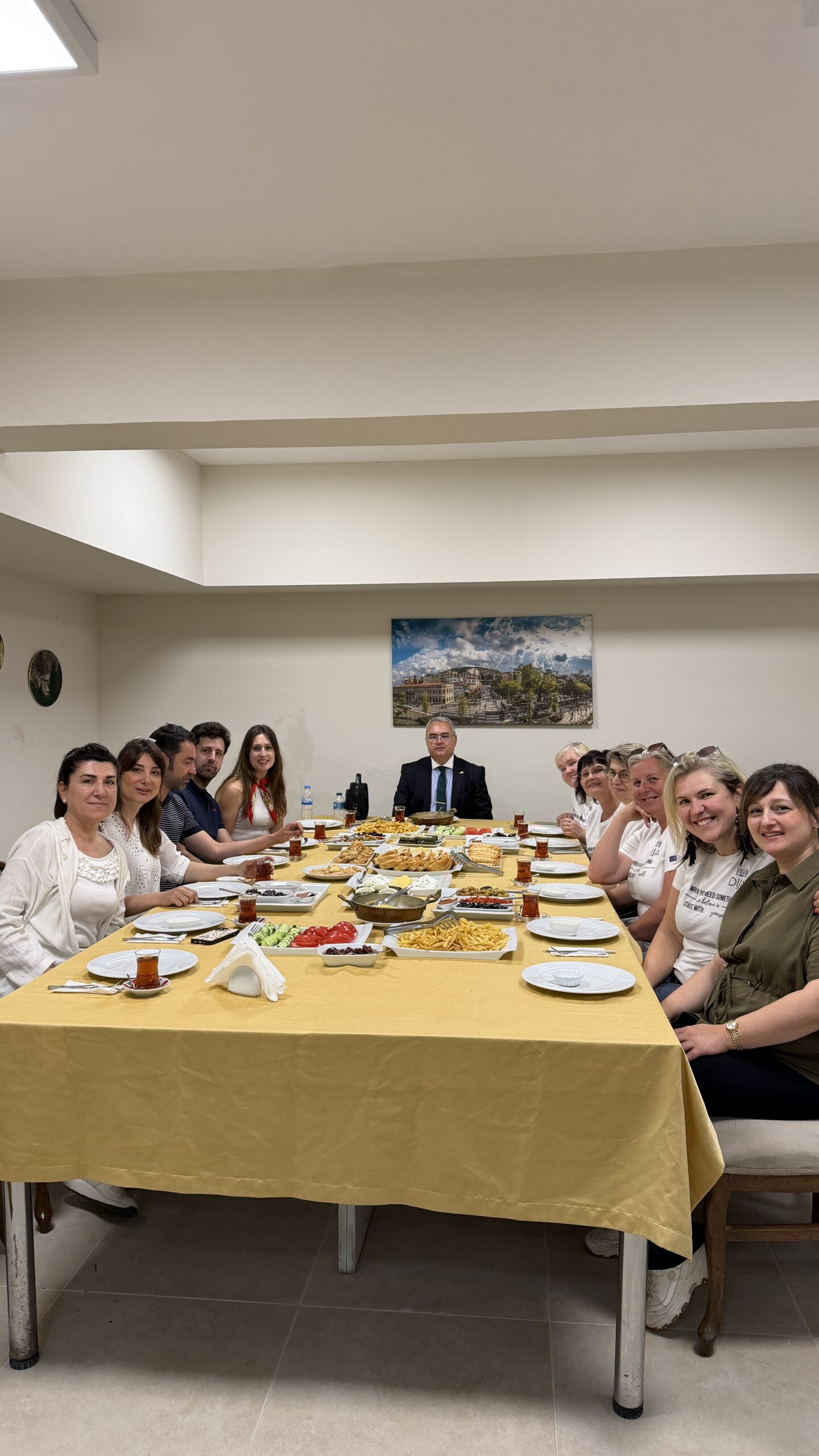
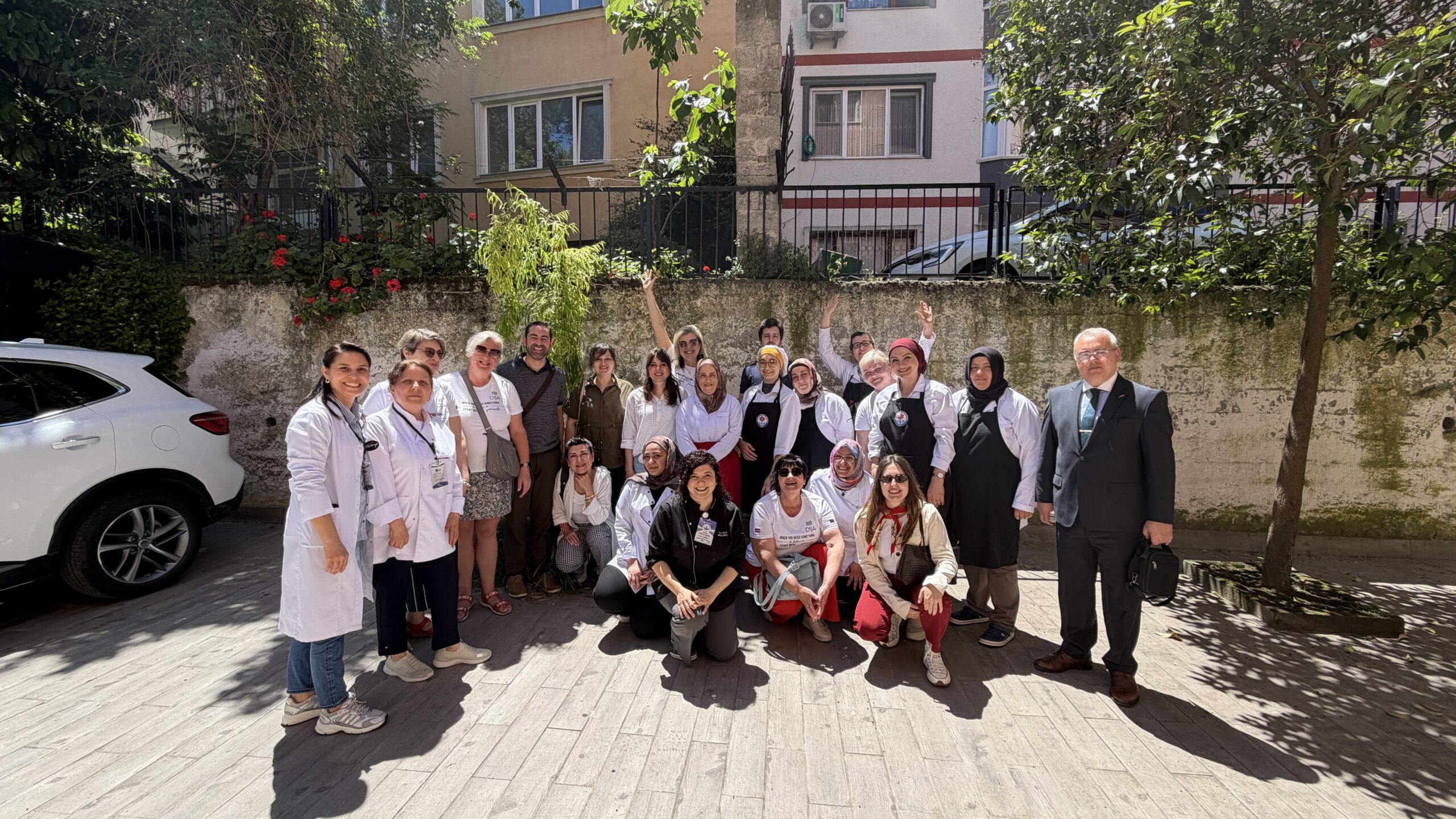
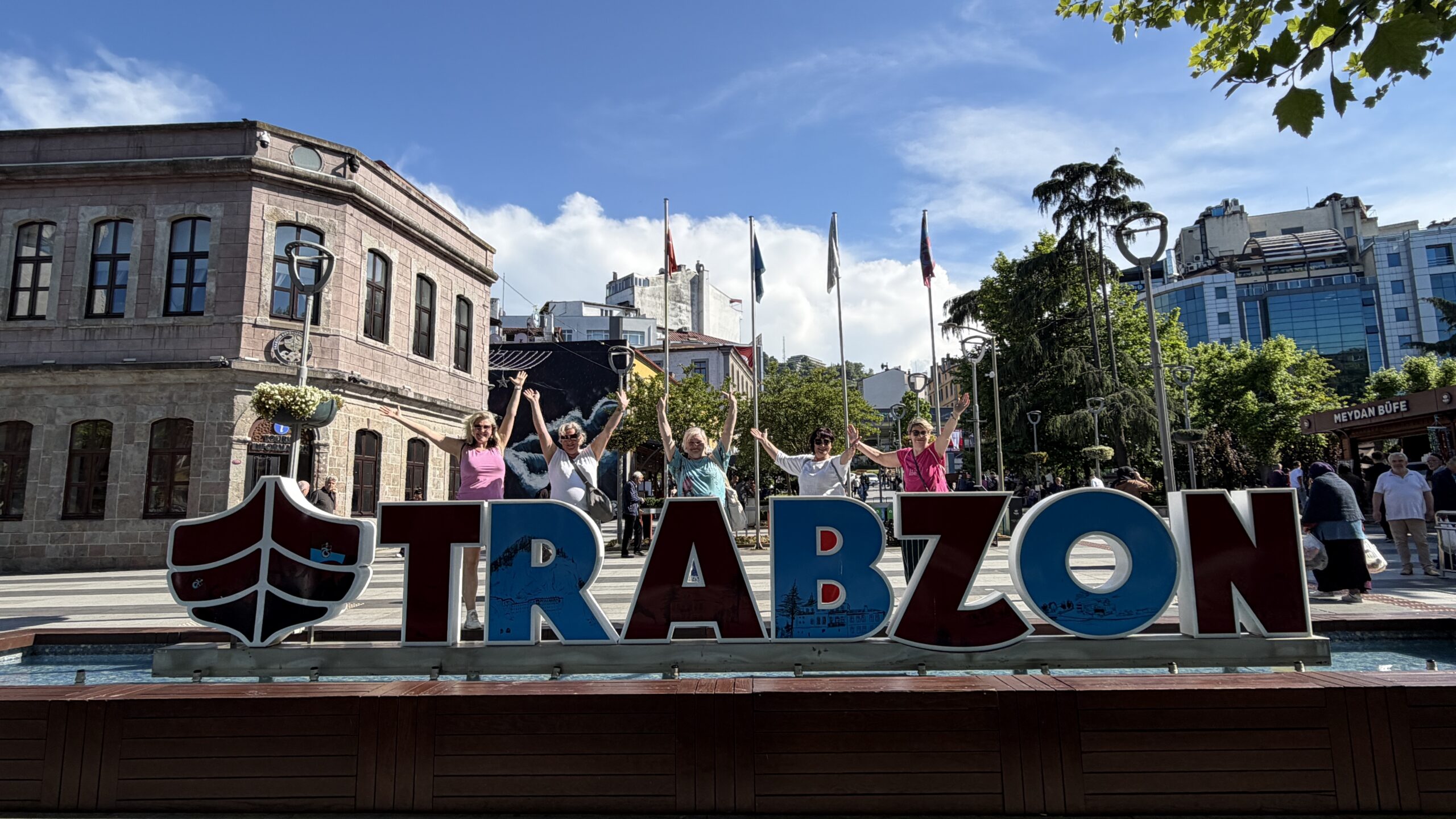
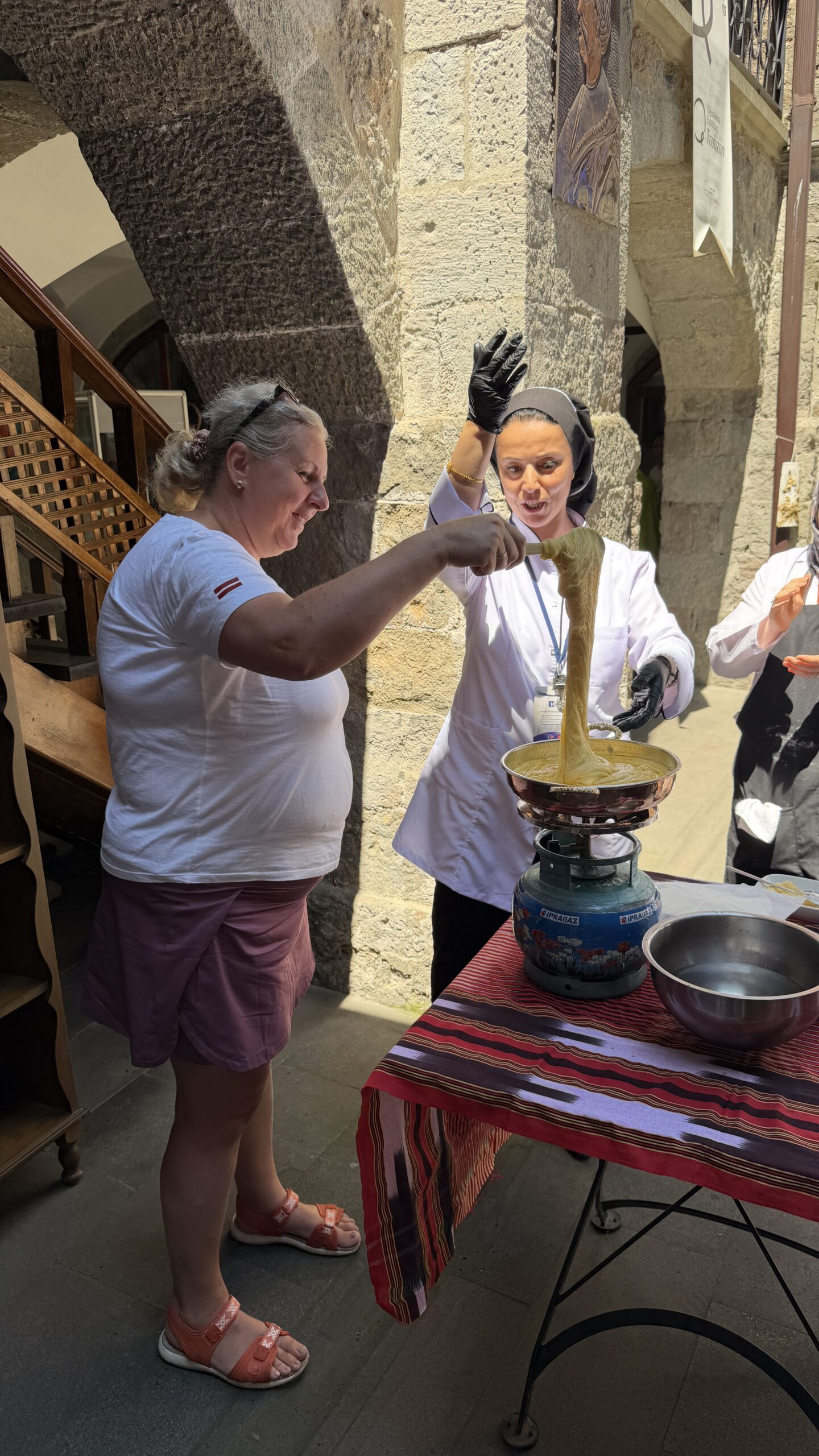
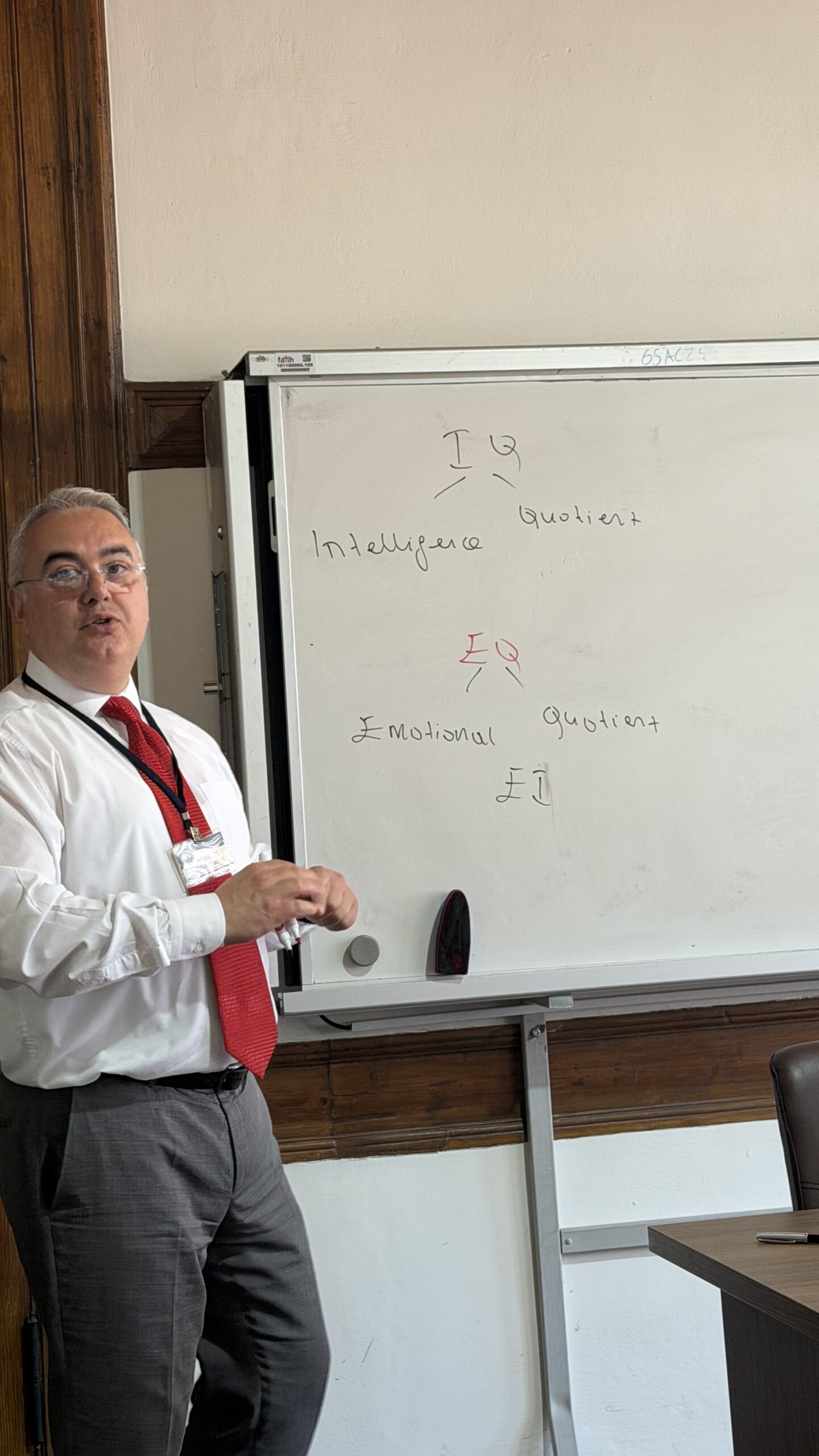
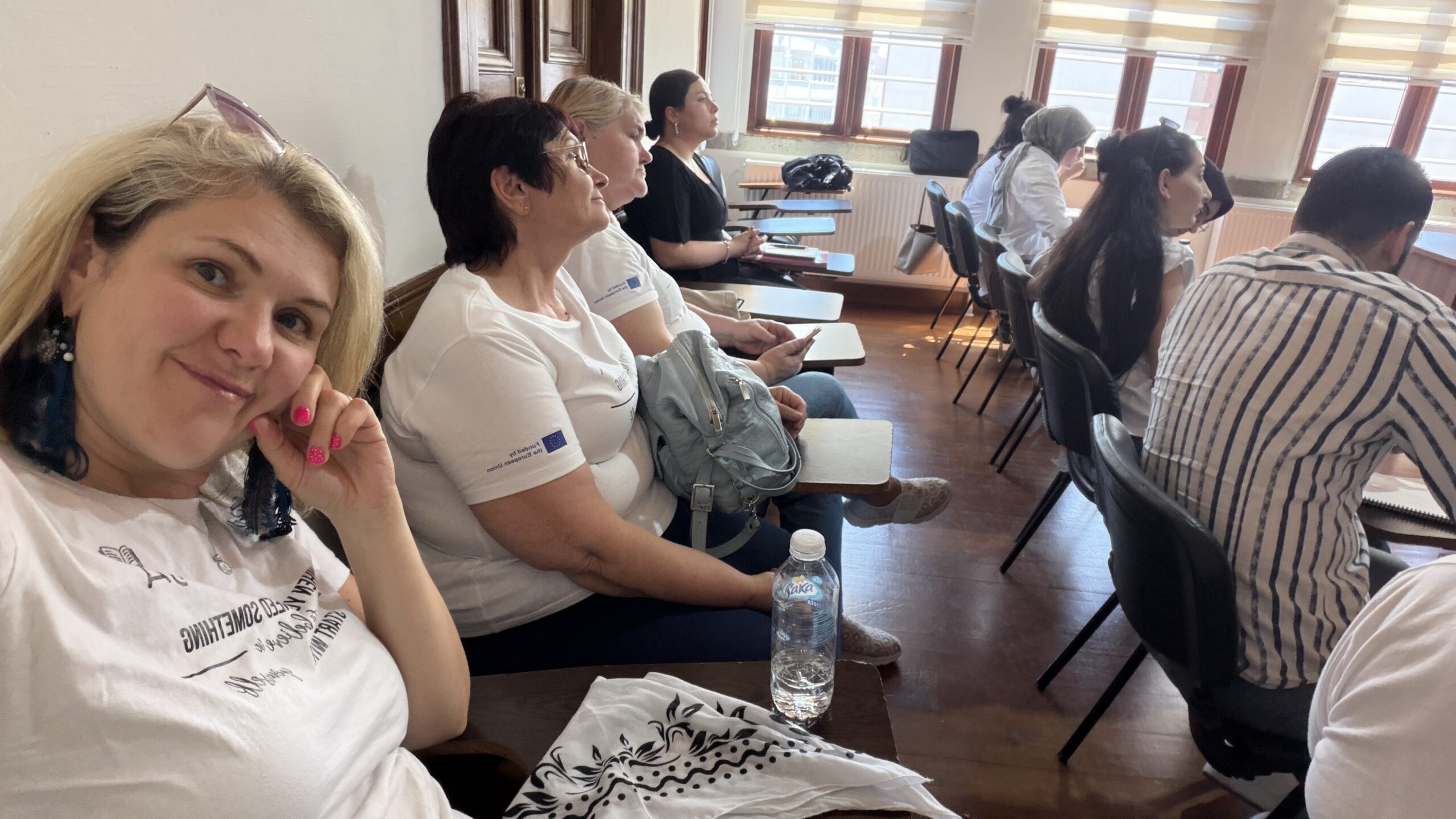
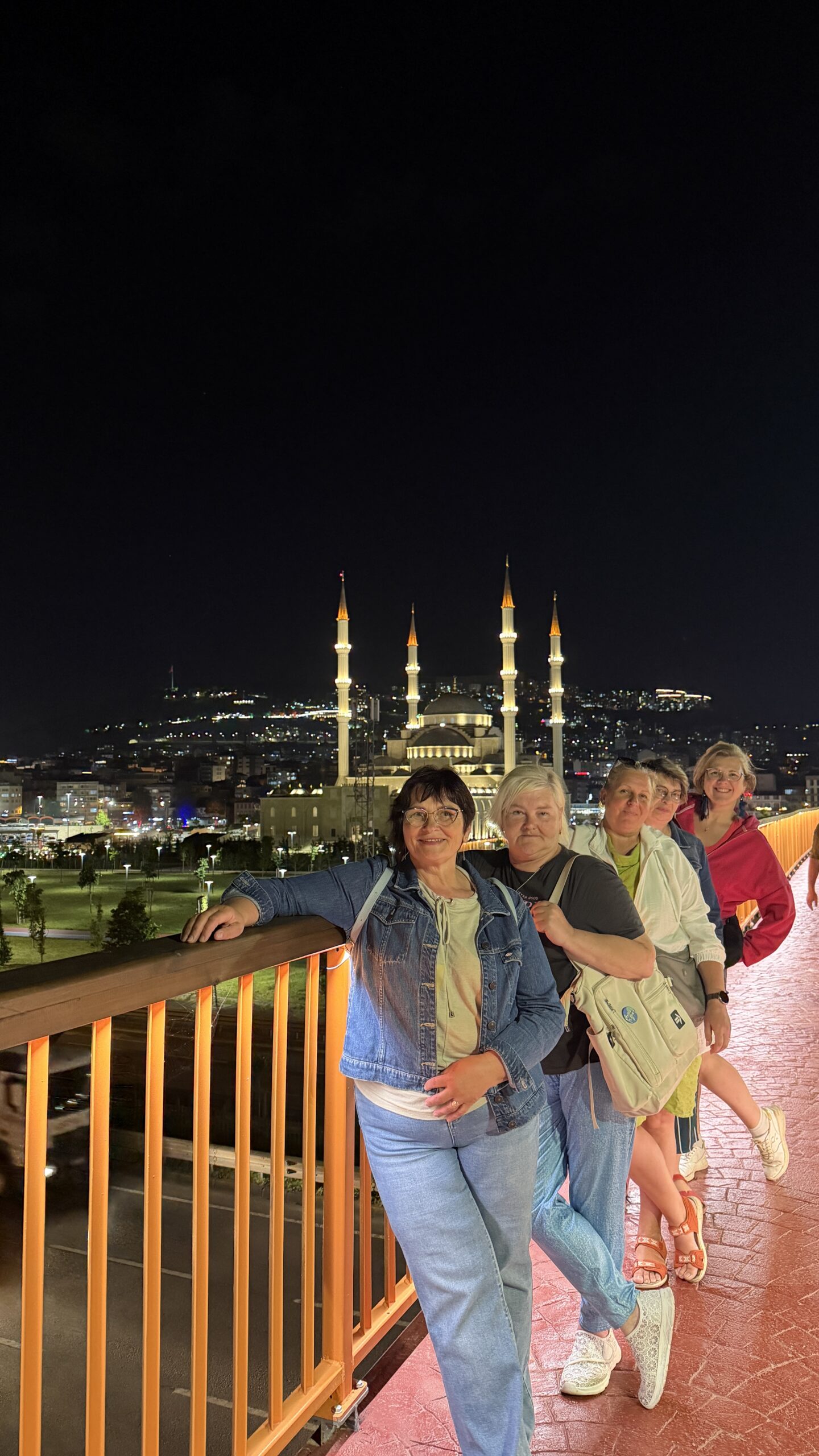
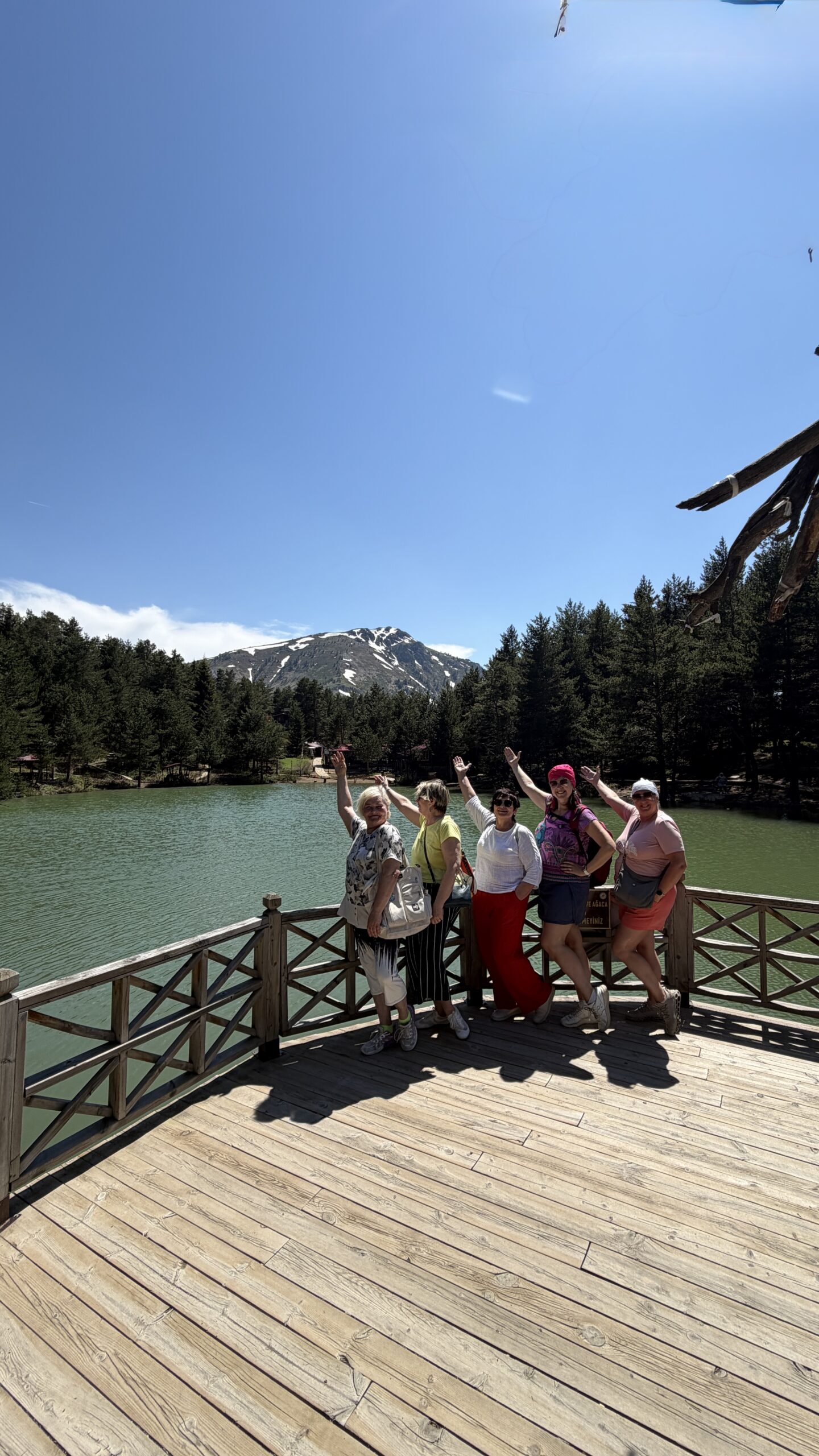
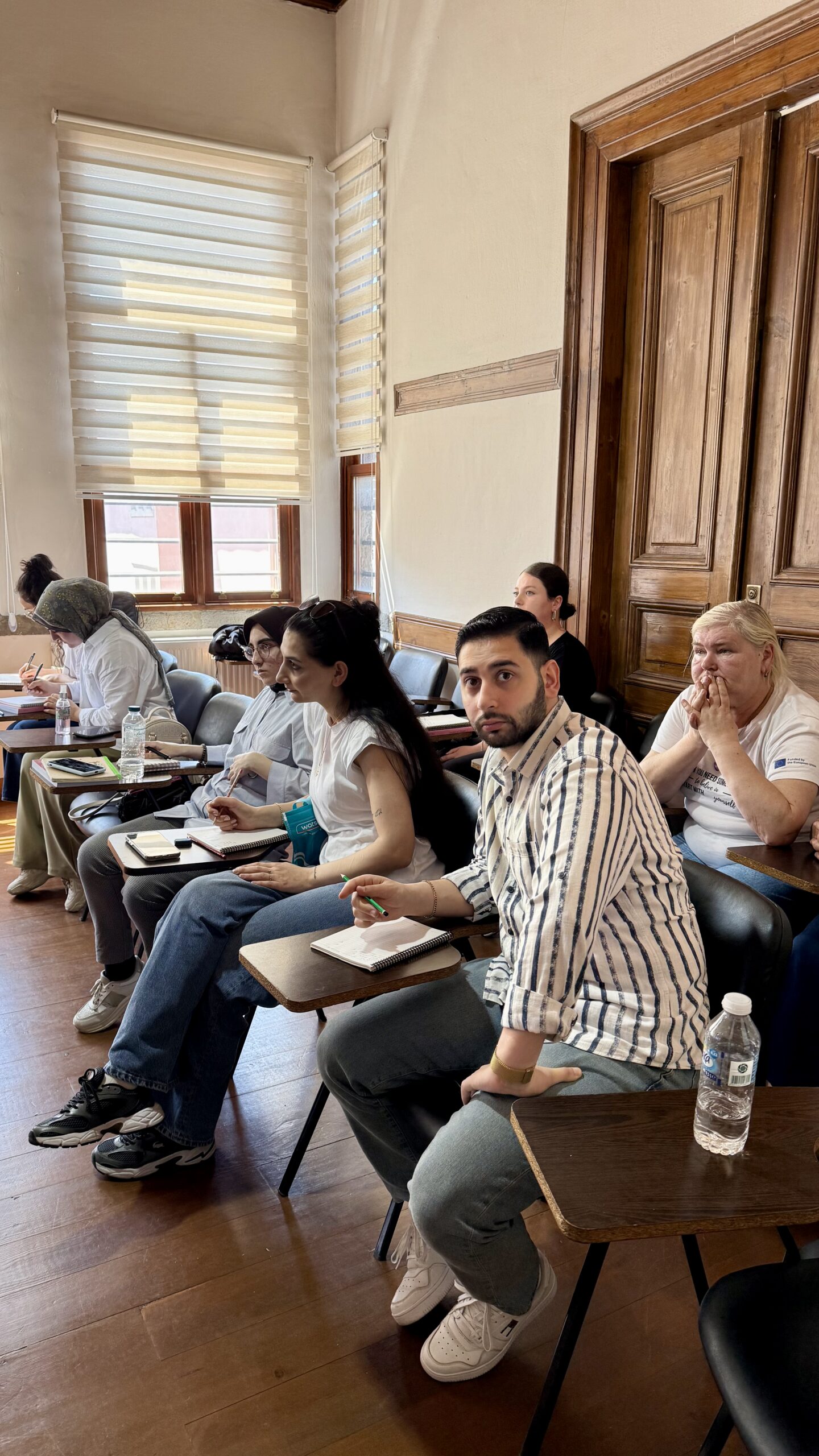
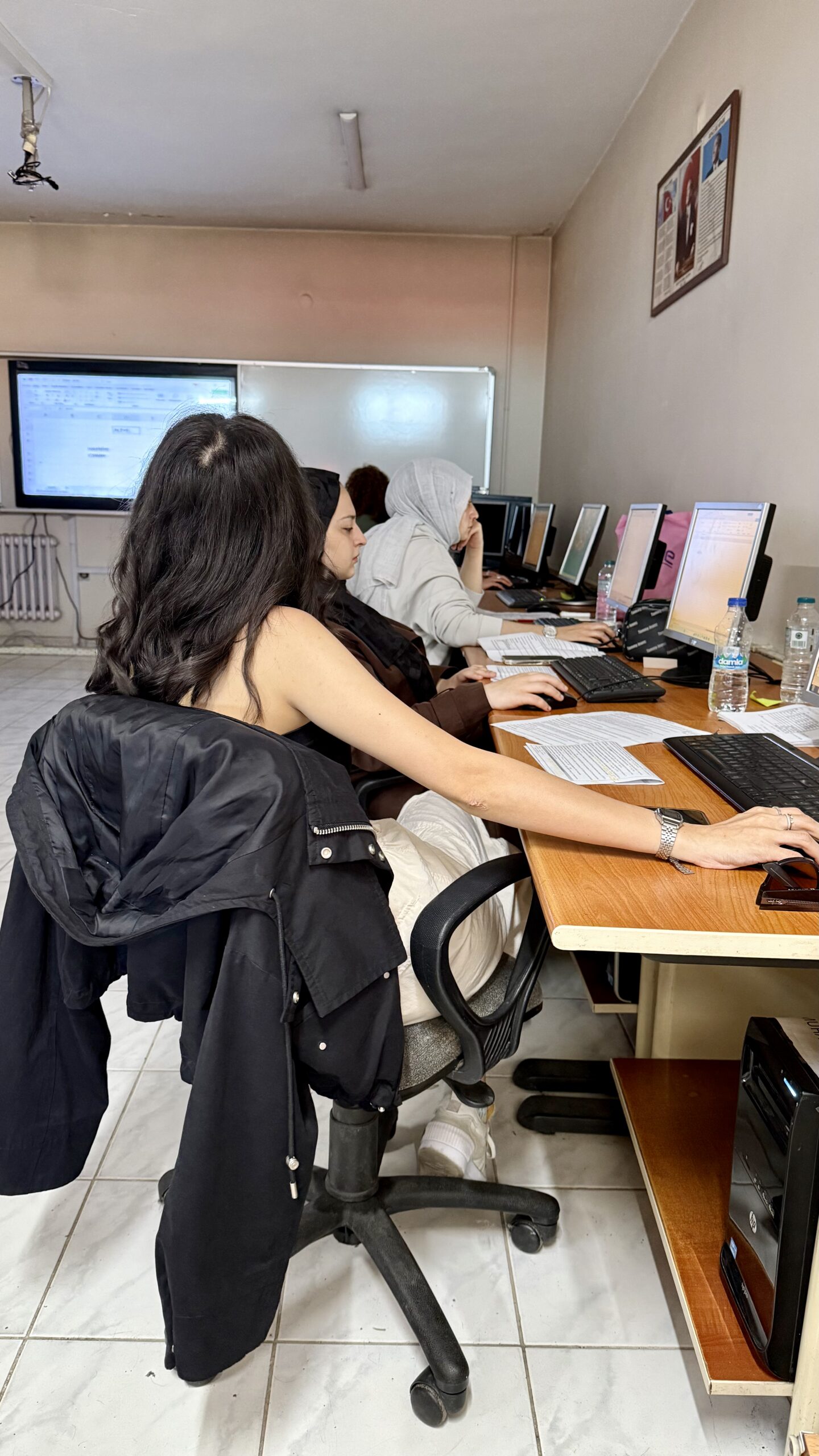
The Trabzon Provincial Directorate of National Education is a public institution responsible for coordinating and overseeing formal and non-formal education across the Trabzon region, with broad experience in international cooperation and Erasmus+ projects. Five DIJA staff members visited the Directorate to observe educational quality assurance practices, inclusive learner support strategies, and the integration of digital tools and artificial intelligence into educational and administrative processes. Participants also engaged in in-depth discussions on leadership, communication, and the exchange of good practices between the Latvian and Turkish adult education systems, strengthening the existing partnership and exploring opportunities for future Erasmus+ collaboration.
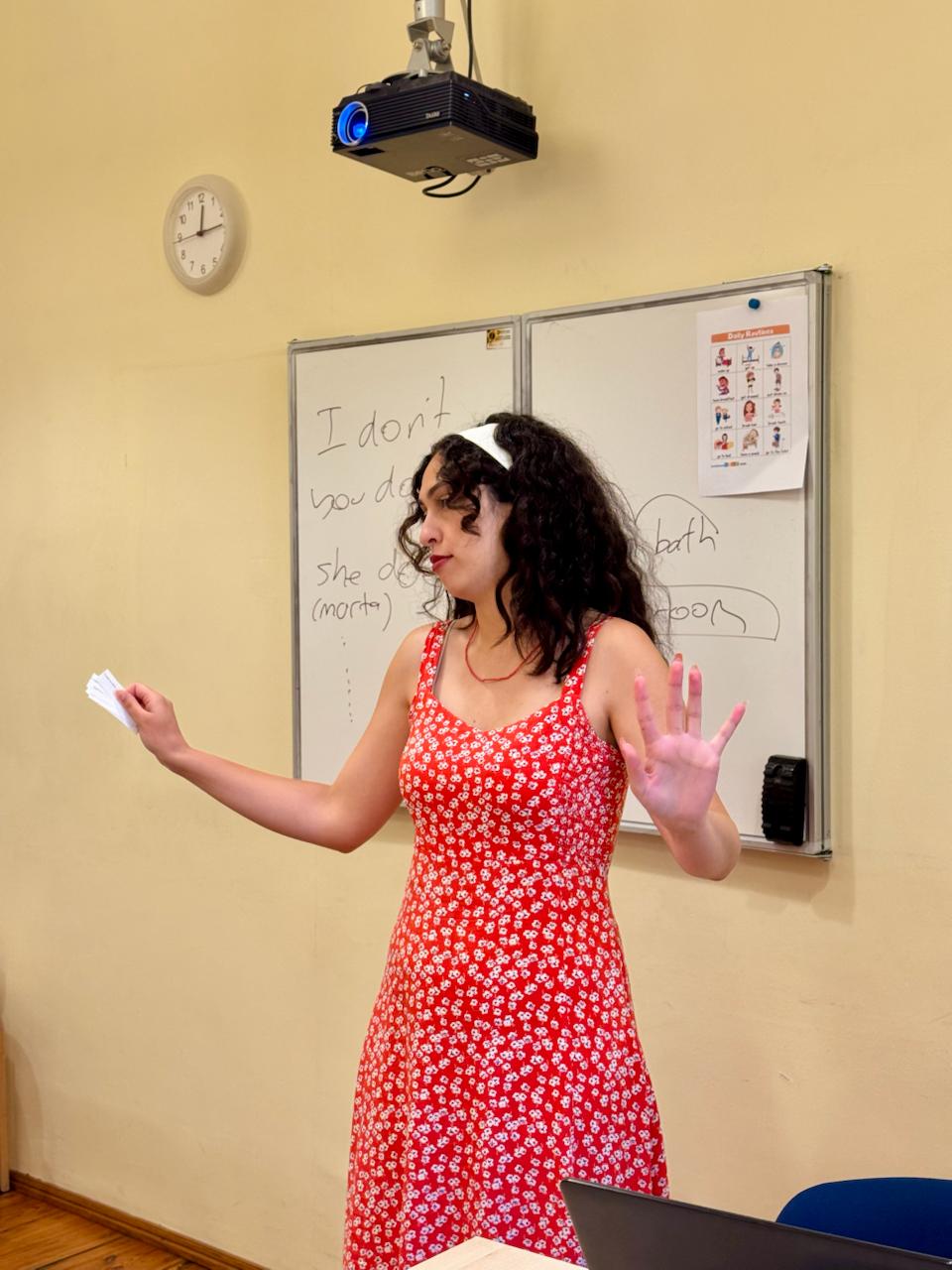
Host organisation: Fundacja Obywatelki.pl, Poznań
Participants from DIJA: 3
Fundacja Obywatelki.pl is a Polish non-governmental organisation dedicated to supporting people facing social exclusion — including unemployed women, elderly individuals, and people with disabilities — through education, civic participation, and community empowerment. Three DIJA staff members visited the organisation to observe its approaches to burnout prevention and staff well-being in a high-demand educational environment, as well as its non-formal education methods and facilitation techniques for adult learners with fewer opportunities. Participants also gained insight into how the organisation coordinates local projects in cooperation with NGOs, civic bodies, and local authorities, identifying practices transferable to DIJA’s own adult education programmes.