
Funded by the European Union. Views and opinions expressed are however those of the author(s) only and do not necessarily reflect those of the European Union or State Education Development Agency Republic of Latvia (VIAA). Neither the European Union nor the granting authority can be held responsible for them.
Project number: 2023-2-LV01-KA210-ADU-000169885
Working groups – Video and photo as an important resource of modern information and training
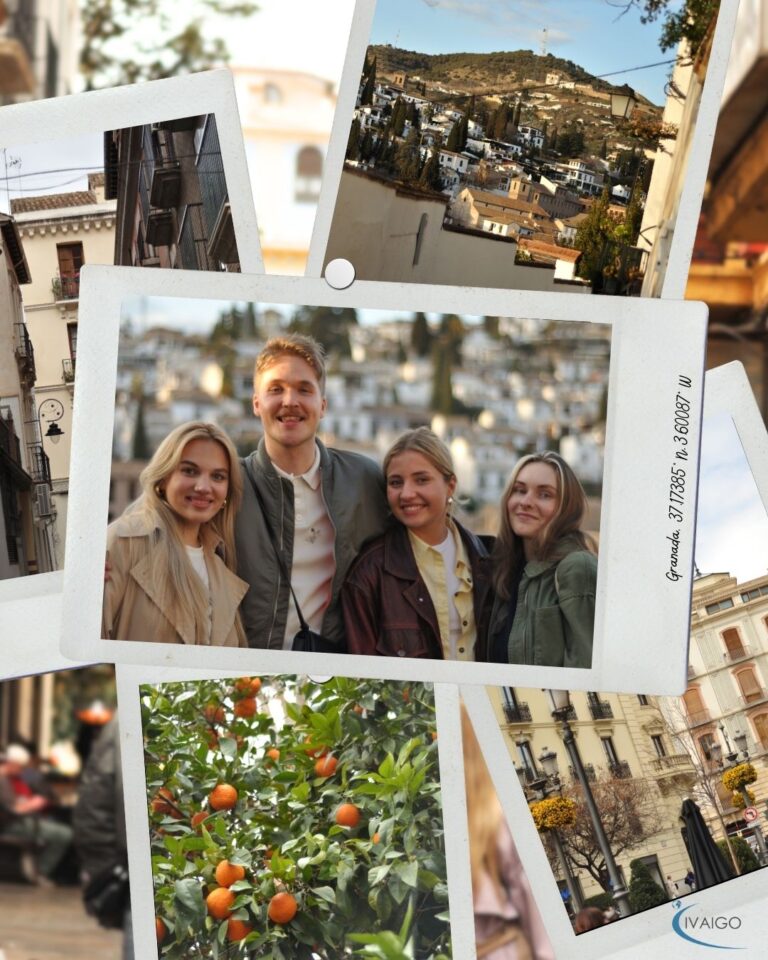
March 4-8, 2025, Granada, Spain
The training focused on the practical creation and use of photo and video materials in education and training, strengthening participants’ skills in visual content production and digital communication. It combined creative teamwork with hands-on practice to support effective knowledge transfer, inclusion, and cooperation, while increasing confidence in using visual and digital tools in adult education.
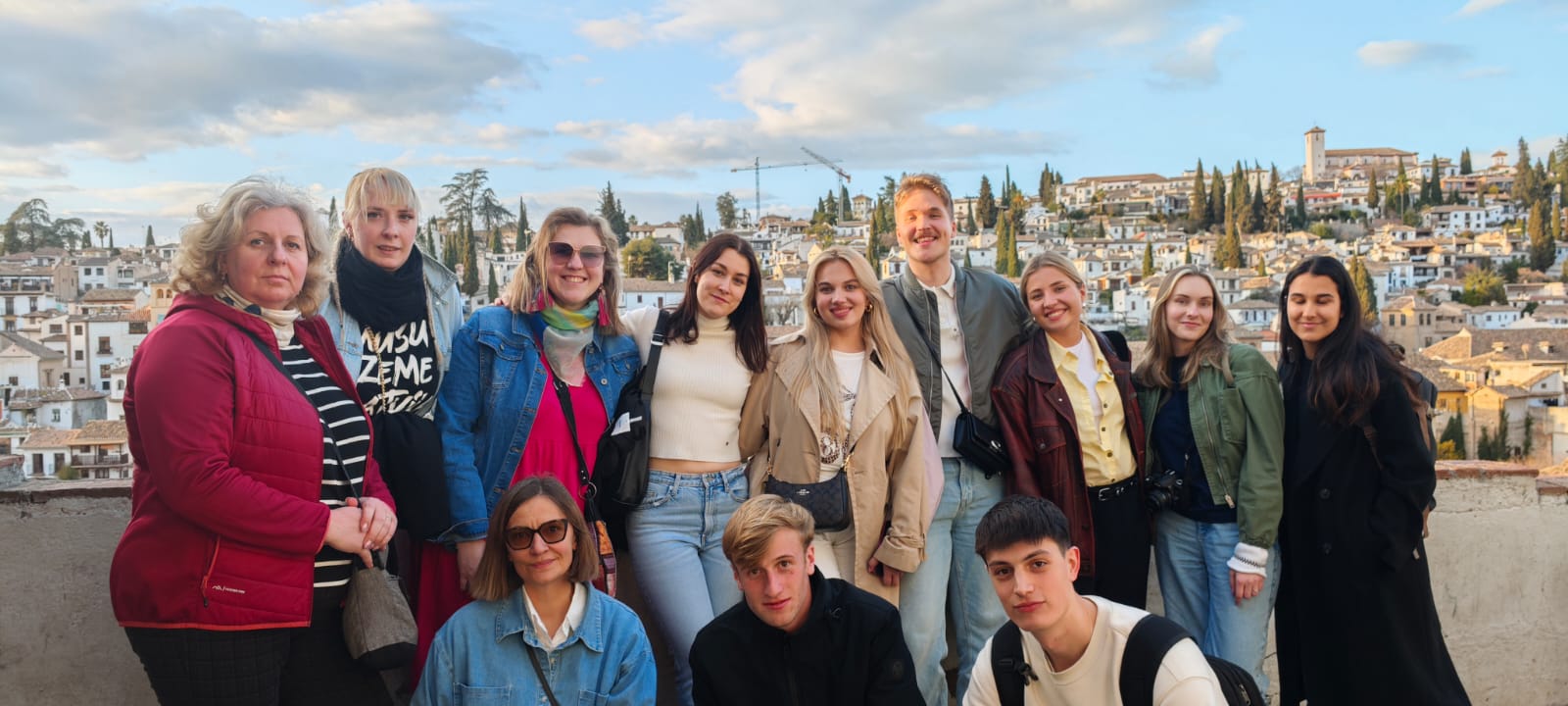
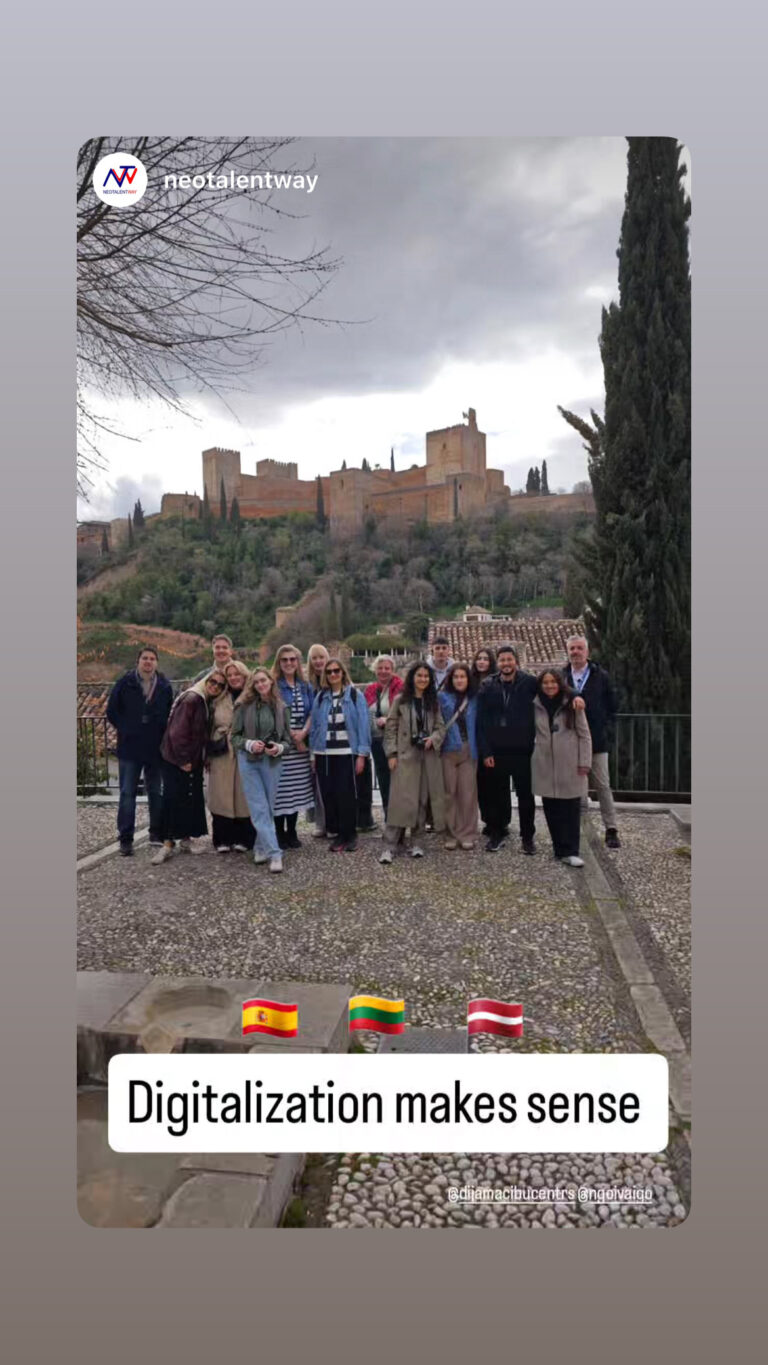
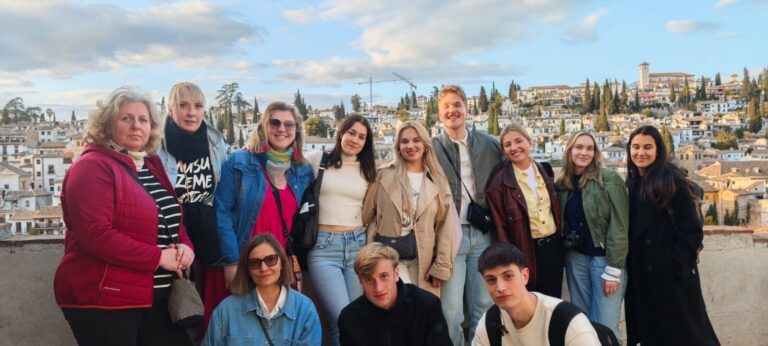
The international training activity was implemented in Granada, Spain, from 4 to 8 March 2025 and two travel days, and was organized by NEOTALENTWAY S.L. The mobility brought together 12 participants, with an equal number from each partner organization:
4 from Spain, 4 from Latvia, and 4 from Lithuania. The direct target group consisted of staff of partner organizations, trainers, educators, and volunteers involved in the organization, management, and delivery of education and training processes, ensuring a balanced and multicultural learning environment.
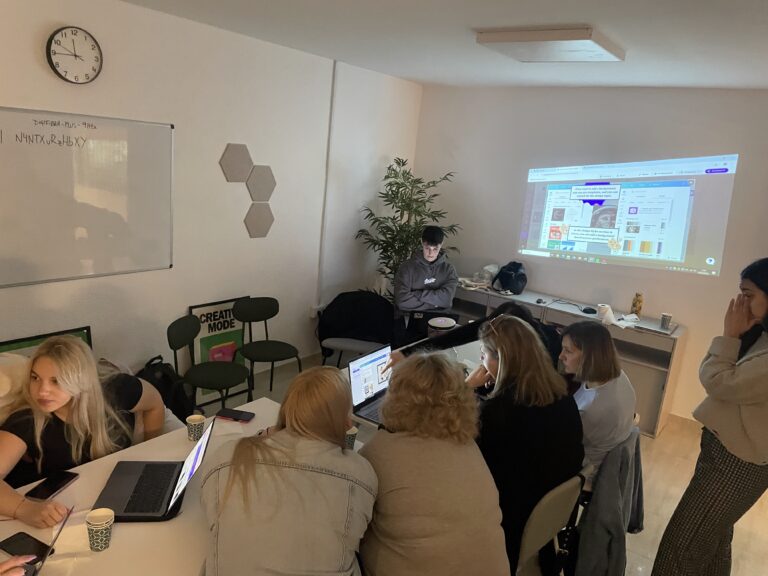
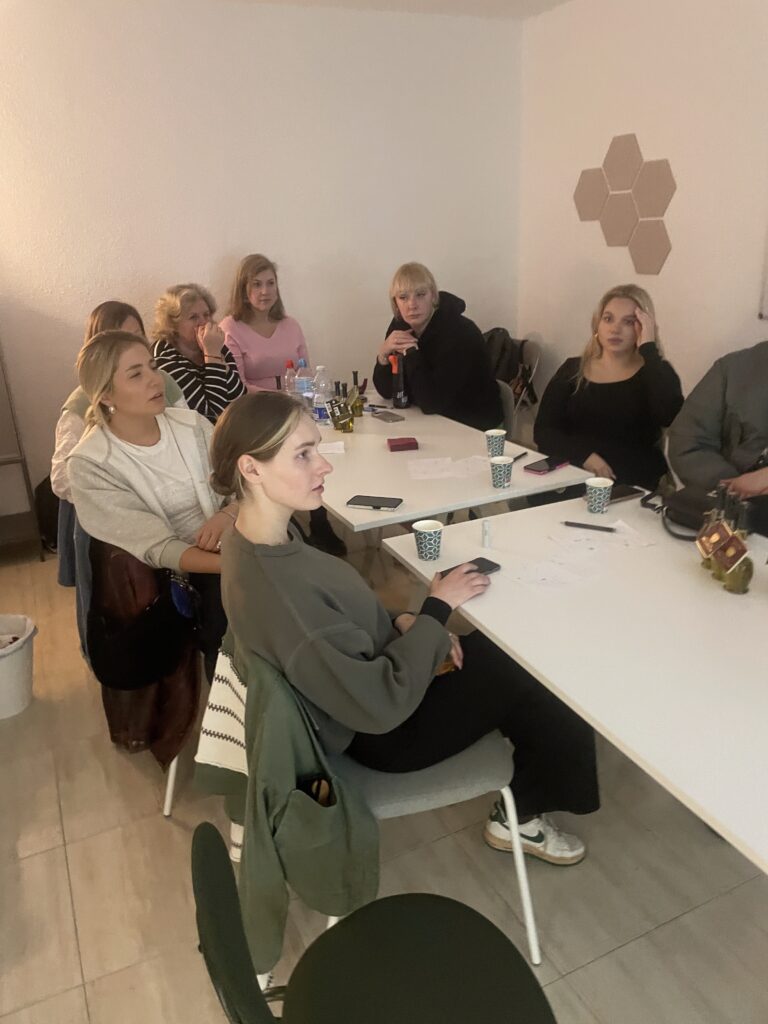
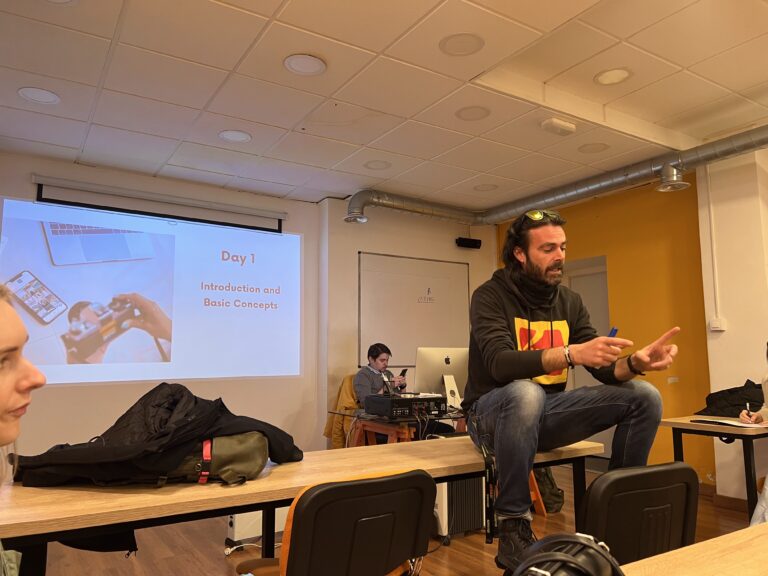
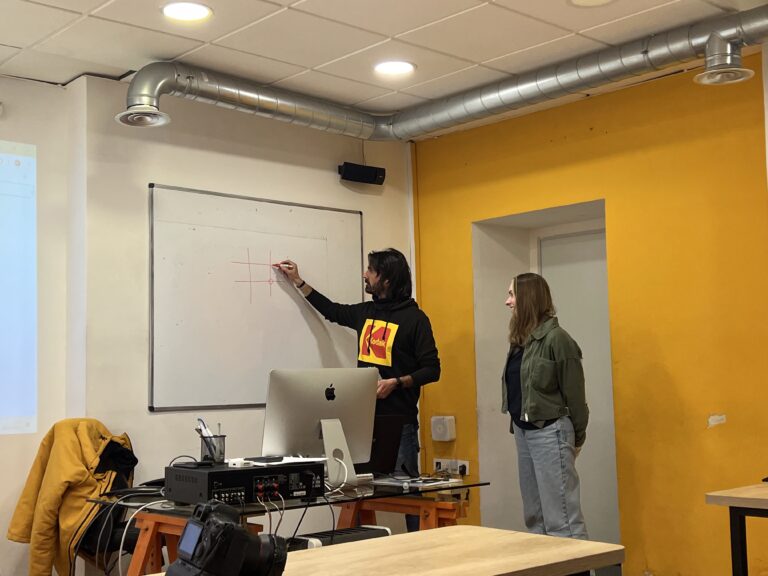
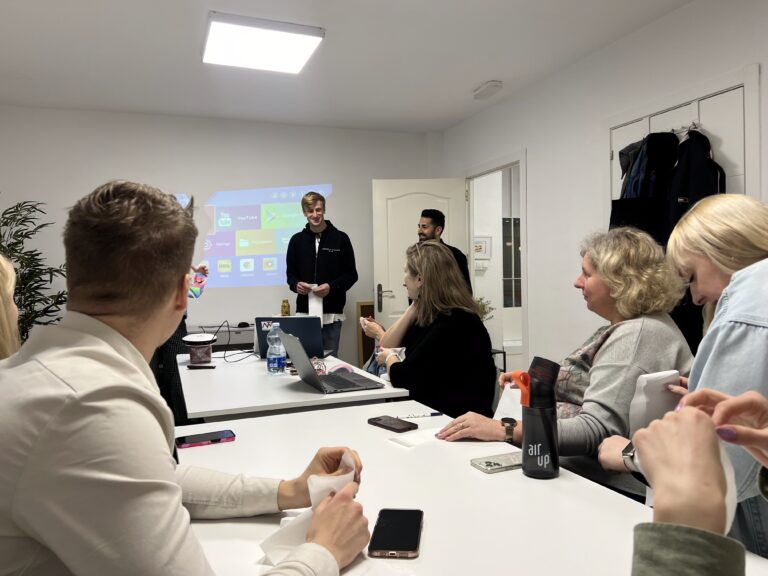
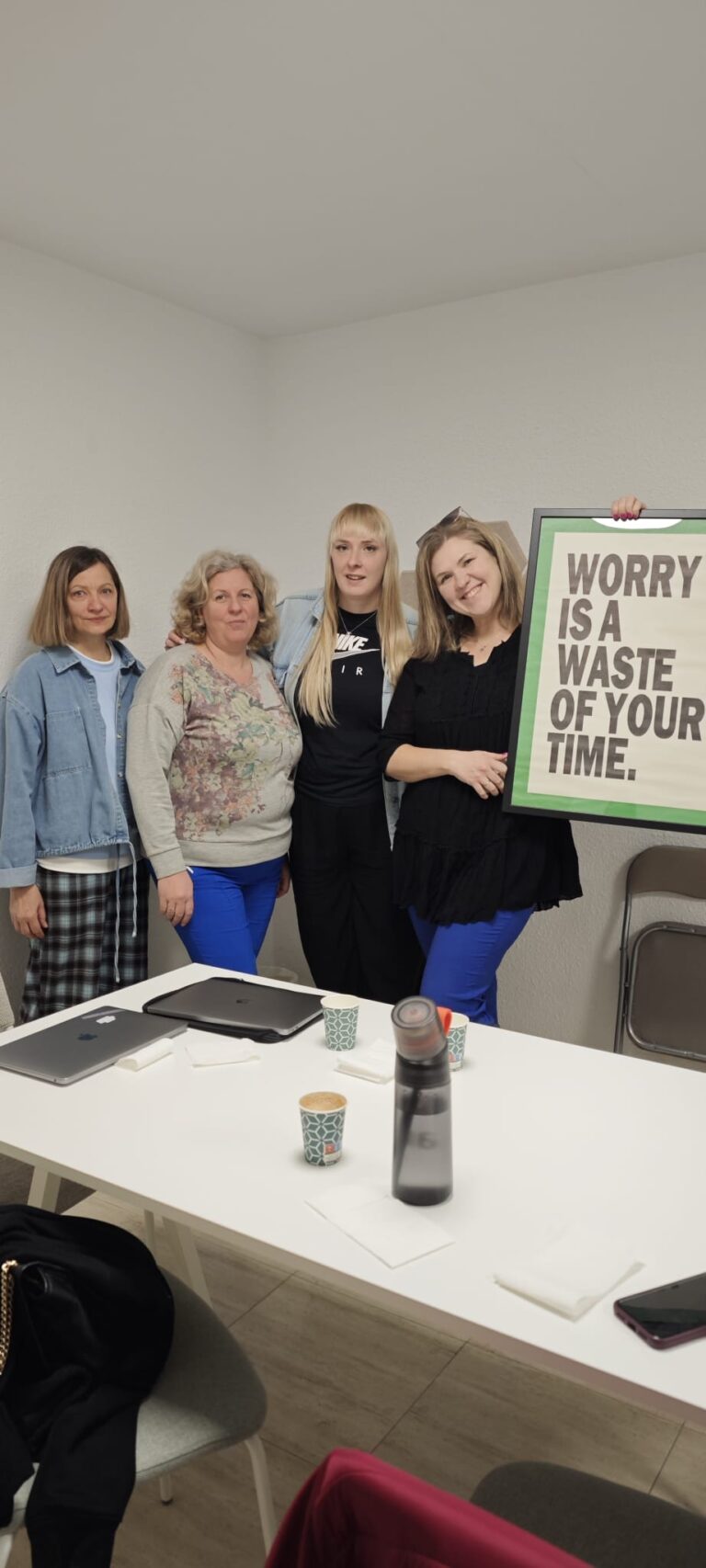
The activity was designed as an educational, creative, and practice-oriented training, focusing on the creation and use of photo and video materials in the field of education and training, both as educational content and as tools for information transfer. The training was delivered through working groups led by an experienced facilitator, combining joint work, brainstorming, and active practical tasks. Participants worked in small international groups, exchanged ideas, and actively experimented with photography and video creation. Special attention was given to practical techniques for producing high-quality visual materials, including composition, lighting, storytelling, and framing, while reflecting on how visual content can strengthen learning outcomes in adult education and training contexts.
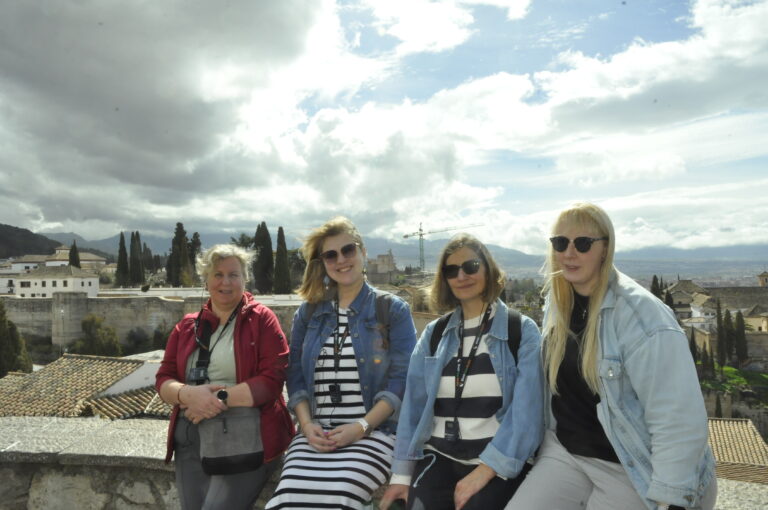
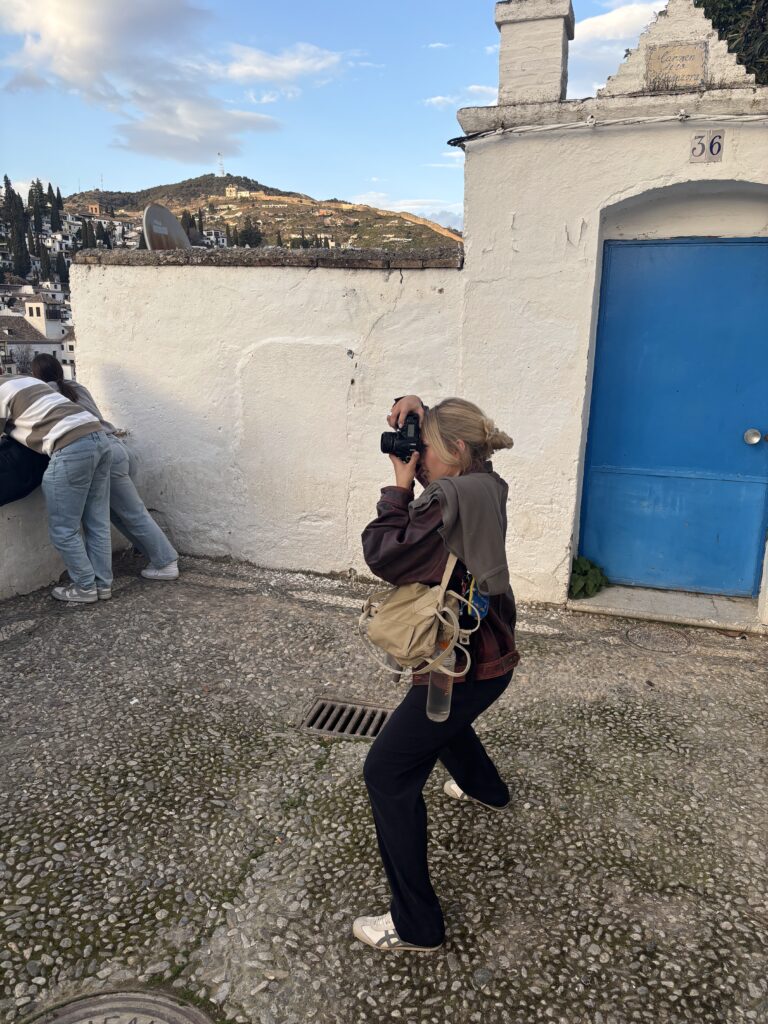
To deepen practical understanding, training activities were carried out in various locations across Granada, using the city as an open learning environment. This approach enabled participants to create, adapt, and apply photo and video materials in real settings, strengthening their practical skills. In addition to photography, participants explored video technologies and digital applications such as CapCut, Edpuzzle, H5P, and Genially, focusing on their use as interactive educational content and effective tools for communication and knowledge transfer. The Spanish partner’s prior experience in developing and applying visual materials was actively shared, while all partners jointly contributed to the learning process.
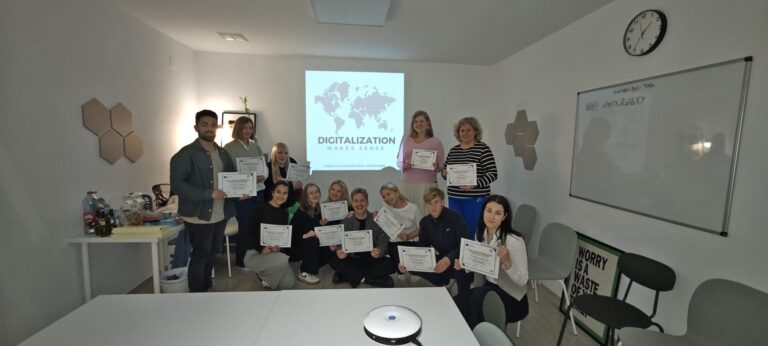
Building on the acquired knowledge and skills, participants collaboratively created a video documenting the training days. The programme concluded with structured discussions, joint evaluation, and a review of achieved results, as well as reflection on practical application. As a follow-up, participants committed to sharing the acquired competencies within their own organizations, supporting transfer of learning, sustainability of results, and increased organizational capacity.
The activity was implemented using environmentally friendly methods and sustainable materials wherever possible and promoted inclusion and equality, ensuring the participation of people with fewer opportunities. Alongside professional learning, participants also explored Spanish culture, traditions, and everyday life, which strengthened intercultural awareness. Continuous communication during the activity enhanced international cooperation, mutual trust, and partnership capacity among the participating organizations.
Through the implementation of this activity, the project contributed directly to its objectives by promoting inclusion and equality in adult education, strengthening the capacity and competitiveness of small and medium-sized adult education organizations, and introducing digital opportunities through the use of photo and video technologies. As a result, participants increased their understanding of visual tools and their application in adult education, gained greater confidence in digital solutions, strengthened organizational and international cooperation capacity, and enhanced the competitiveness of their organizations in the education and training market.
More info about partners:
IVAIGO: https://www.ivaigo.lt/projects-1/digitalization-makes-sense
NEOTALENTWAY: https://neotalentway.com/digitalization-makes-sense/
 English