
Funded by the European Union. Views and opinions expressed are however those of the author(s) only and do not necessarily reflect those of the European Union or State Education Development Agency Republic of Latvia (VIAA). Neither the European Union nor the granting authority can be held responsible for them.
Project number: 2023-2-LV01-KA210-ADU-000169885
Expert training on artificial intelligence in the modern education and training process
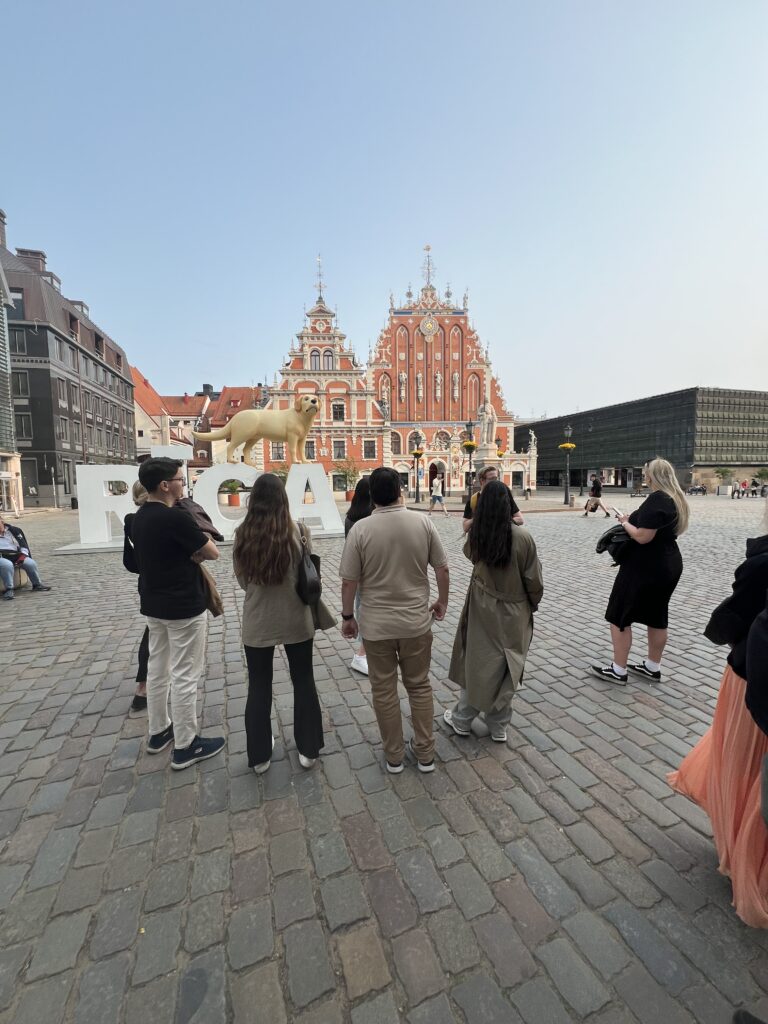
June 2-5, Riga, Latvia
The training focused on the practical and responsible use of artificial intelligence in adult education, increasing participants’ understanding of AI tools, their benefits, risks, and real-life applications in training and organizational work. Through expert-led input and hands-on activities, participants strengthened their confidence in digital solutions, supported organizational capacity building, inclusion, and international cooperation.
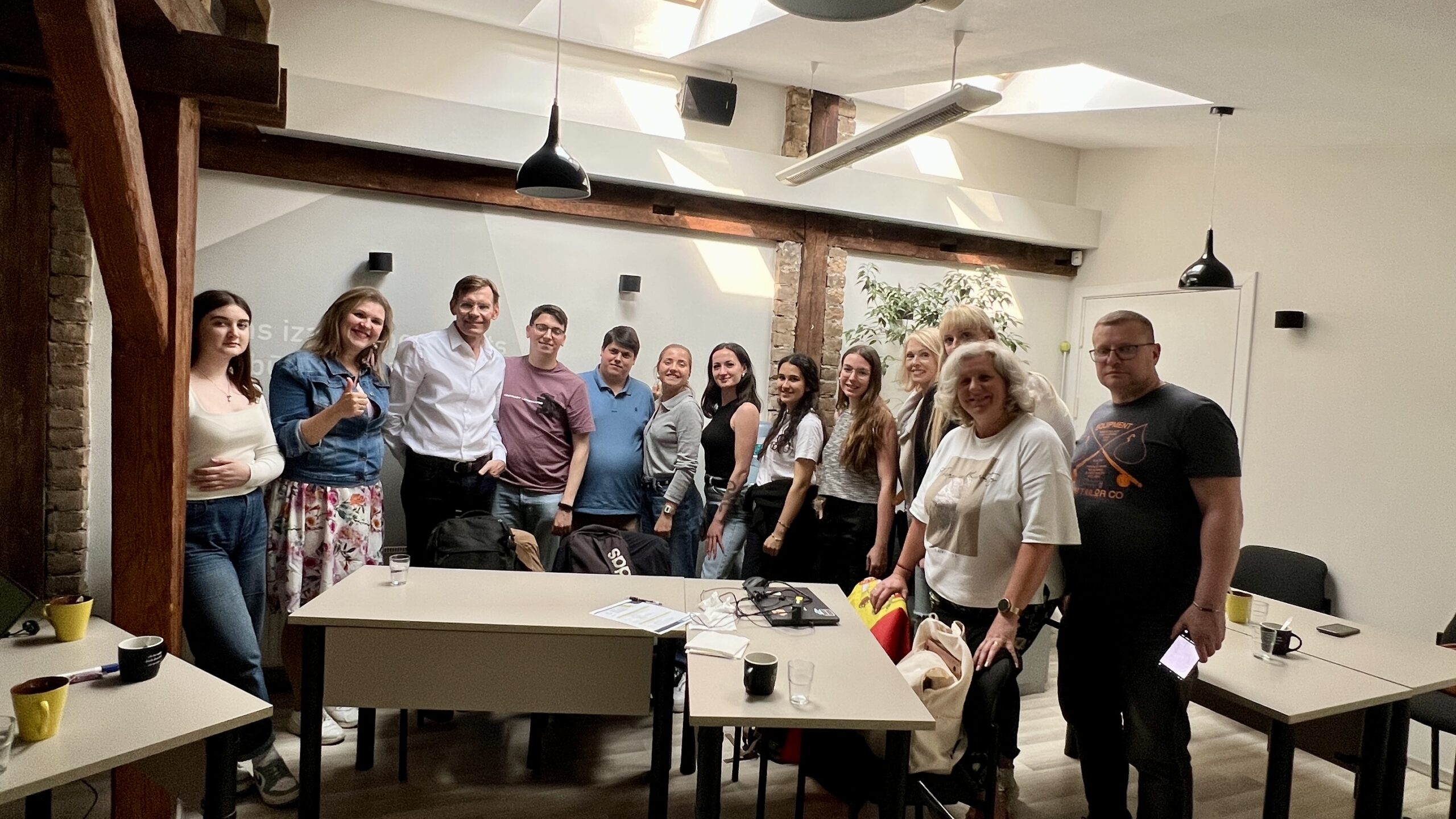
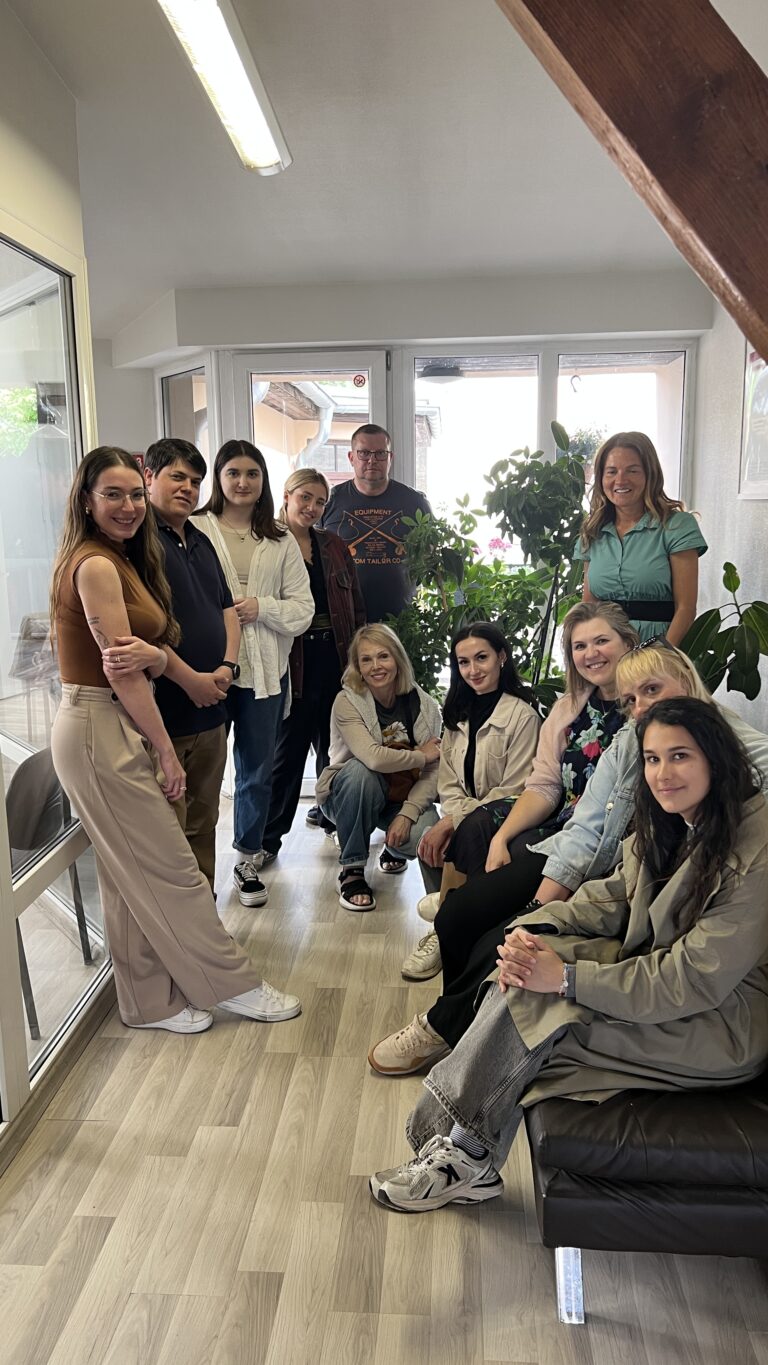
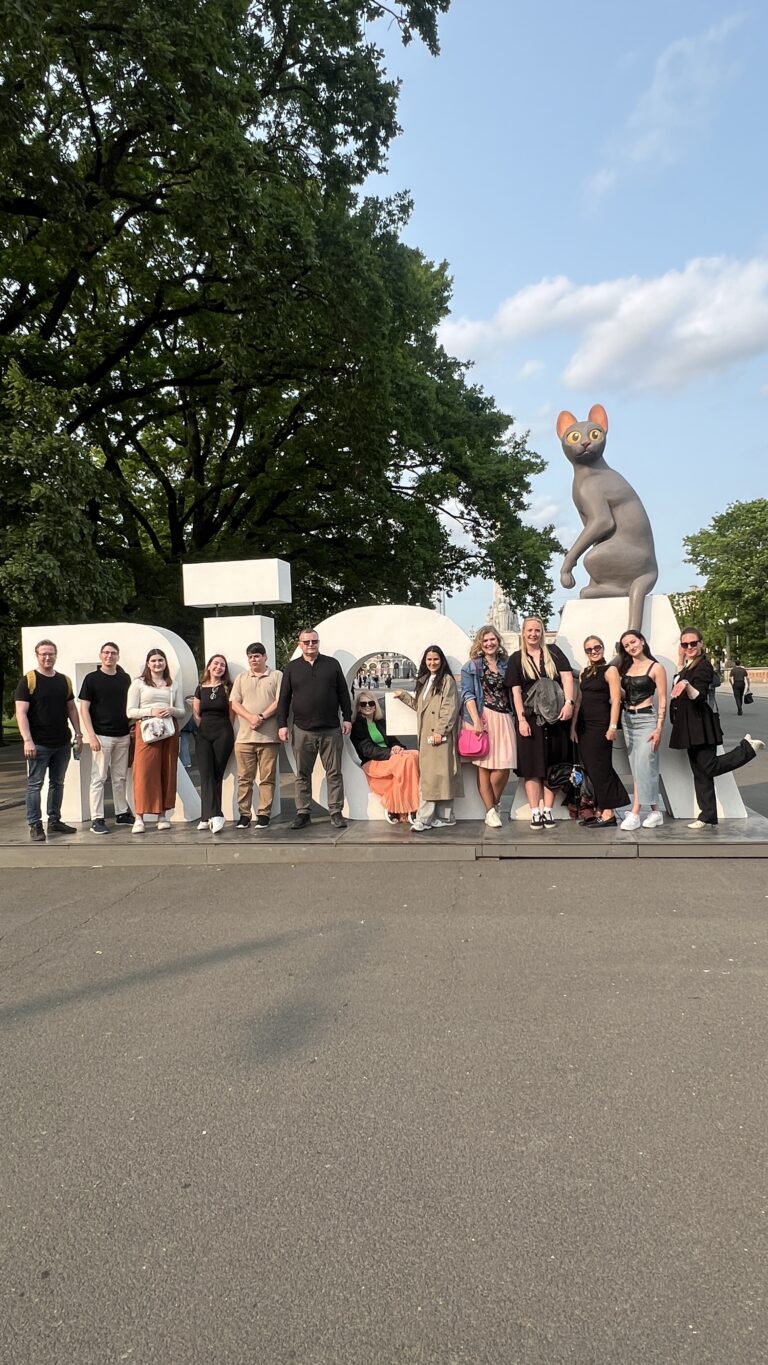
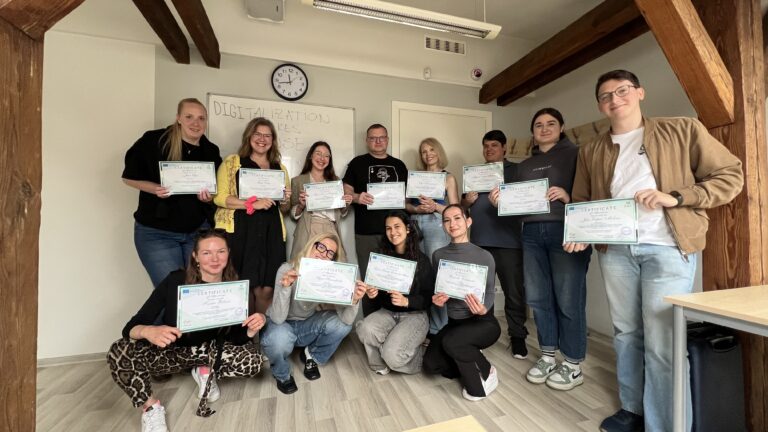
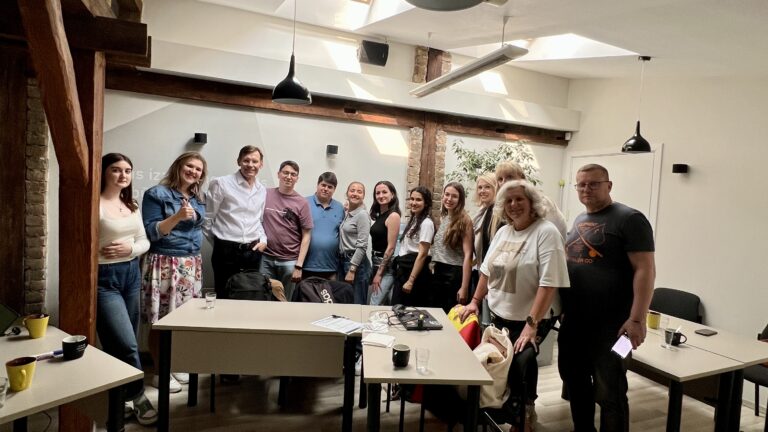
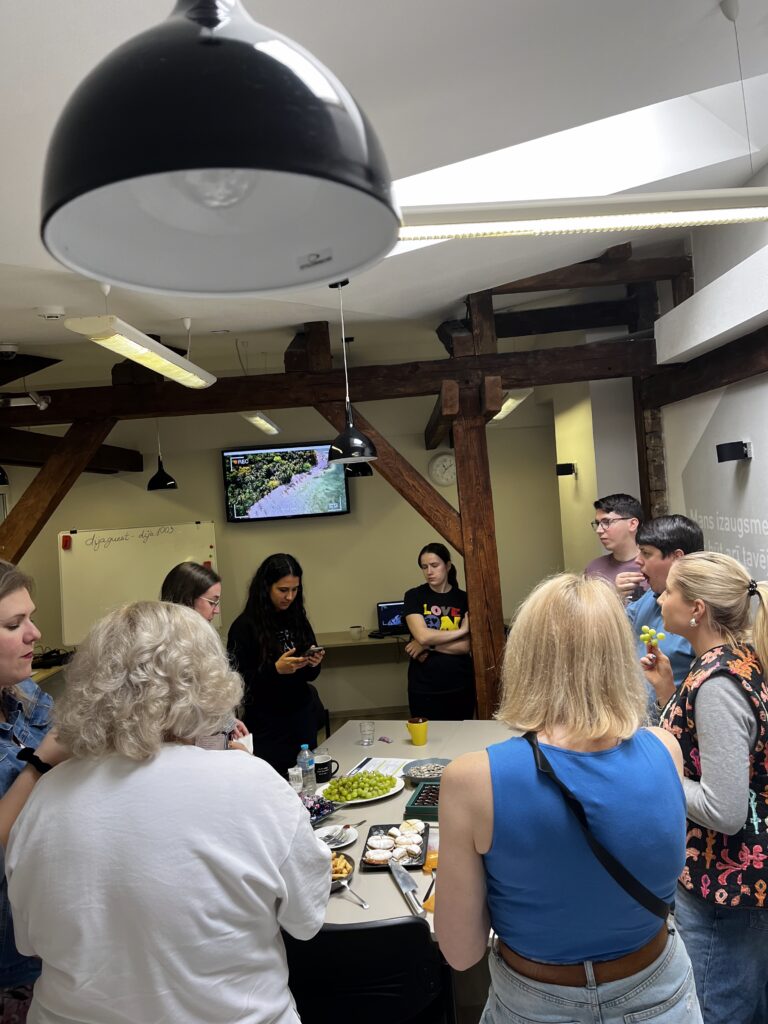
The activity was organized by DIJA and brought together 15 participants representing three partner organizations: 7 participants from Latvia (DIJA Ltd.), 4 from Spain (Neotalentway SL) and 4 from Lithuania (Association IVAIGO), ensuring a diverse and collaborative learning environment.
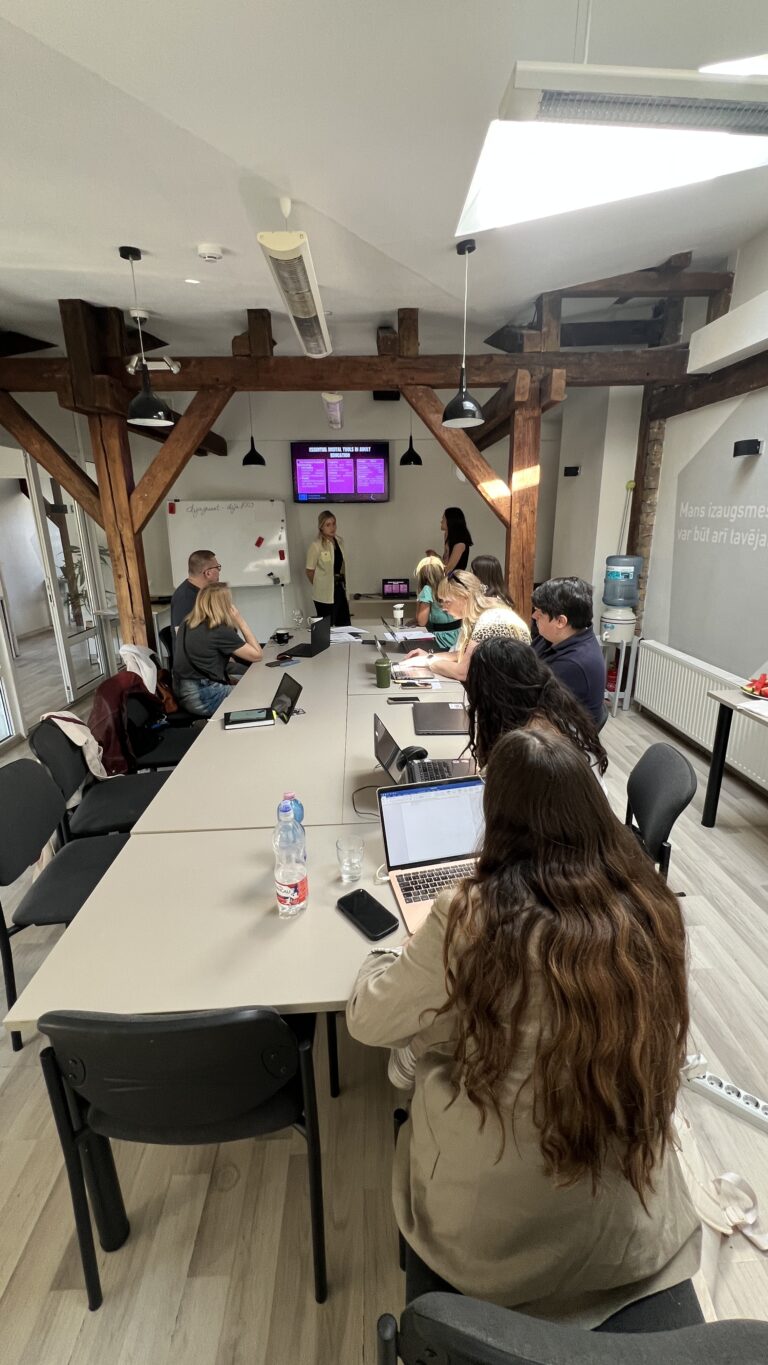
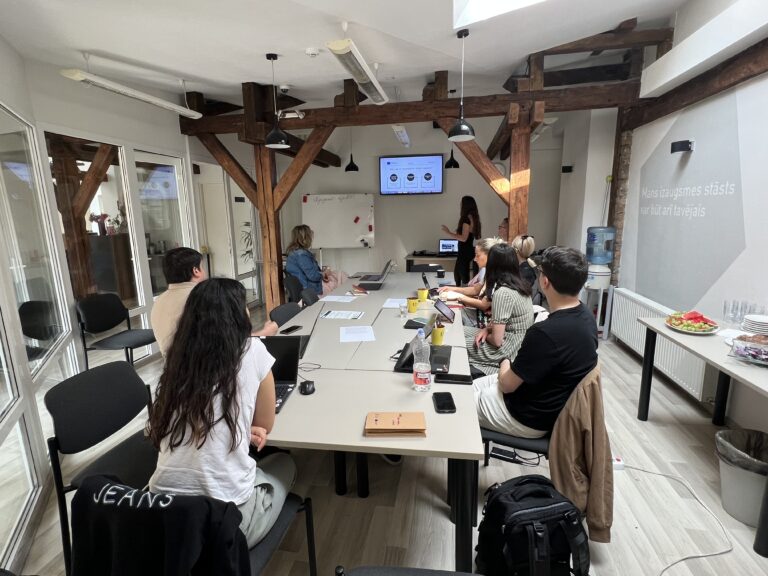
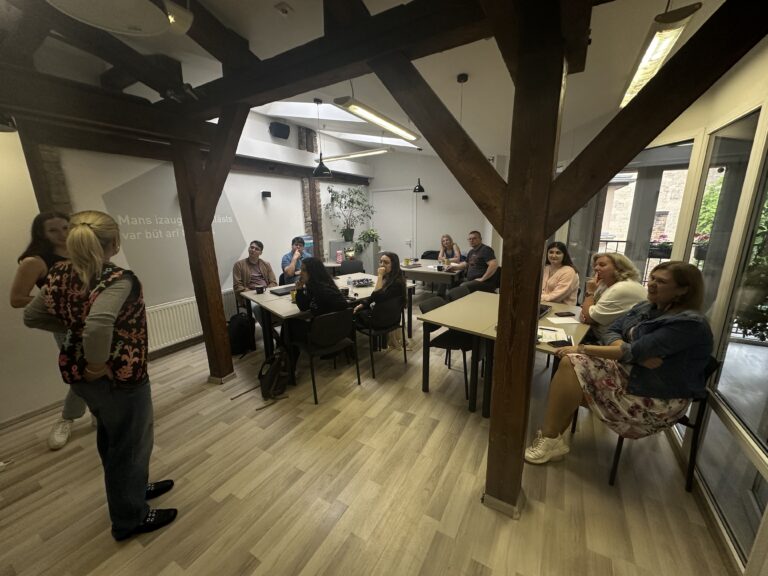
The international training activity was successfully implemented in Riga, Latvia, June 2-5, 2025, bringing together participants from Latvia, Lithuania, and Spain. The training was conducted under the guidance of a professional expert specialized in digitalisation tools, with a strong and consistent focus on artificial intelligence and its application in education and training. The activity targeted staff of partner organizations, trainers, educators, and volunteers involved in the organization and delivery of learning processes.
During the training, participants became familiar with the phenomenon of artificial intelligence, its rapid development, and its growing role in modern society, particularly in adult education and training. The programme addressed both advantages and disadvantages of AI, including potential risks and threats, emphasizing the importance of responsible and informed use. Special attention was given to identifying positive and practical applications of AI, enabling participants to apply digital solutions effectively in daily educational work while avoiding potential challenges.
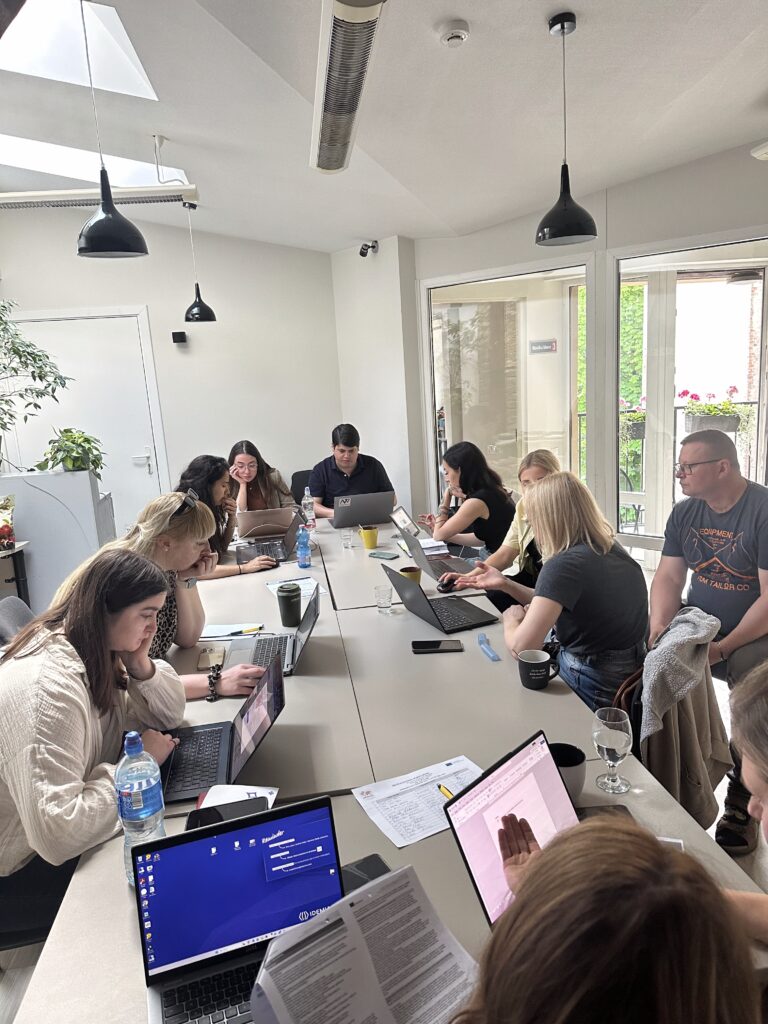
The training combined theoretical input with extensive practical work, allowing participants to strengthen newly acquired knowledge through hands-on activities. Participants explored and practiced the use of AI-based tools such as Gamma, ChatGPT, Napkin, Google Gemini, Grok, NotebookLM, Perplexity, Venngage, and Manus, focusing on their application in adult education, training design, content creation, productivity improvement, and information transfer. The training content was jointly adapted in advance for this project, ensuring relevance to the educational context and partner needs.
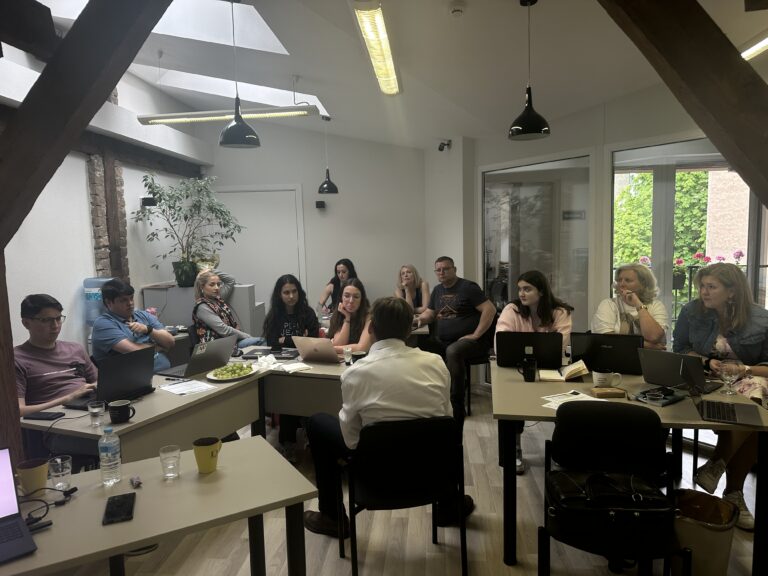
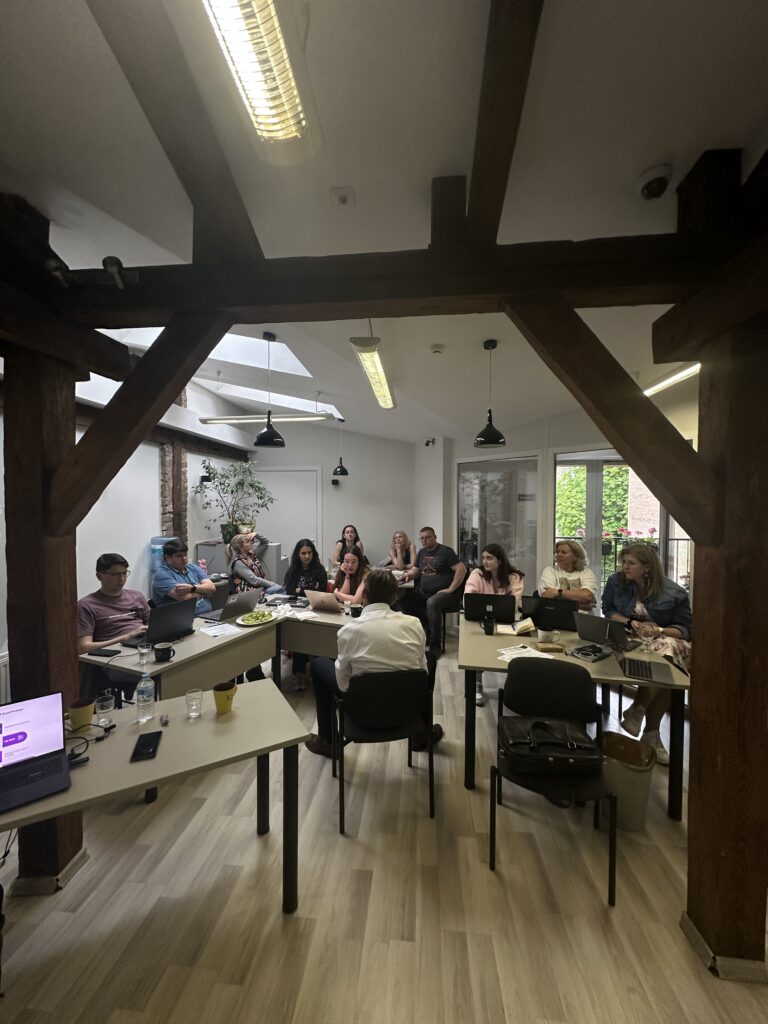
The learning process included expert-led sessions, group work, discussions, evaluation, and result review, supporting reflection and deeper understanding. Participants increased their confidence in digital solutions, improved their ability to assess AI tools critically, and strengthened their organizations’ capacity, competitiveness, and equality in the adult education field. After the training, participants committed to sharing the acquired knowledge within their organizations, ensuring that at least 60% of staff and trainers become familiar with the key outcomes, conclusions, and implementation plans.
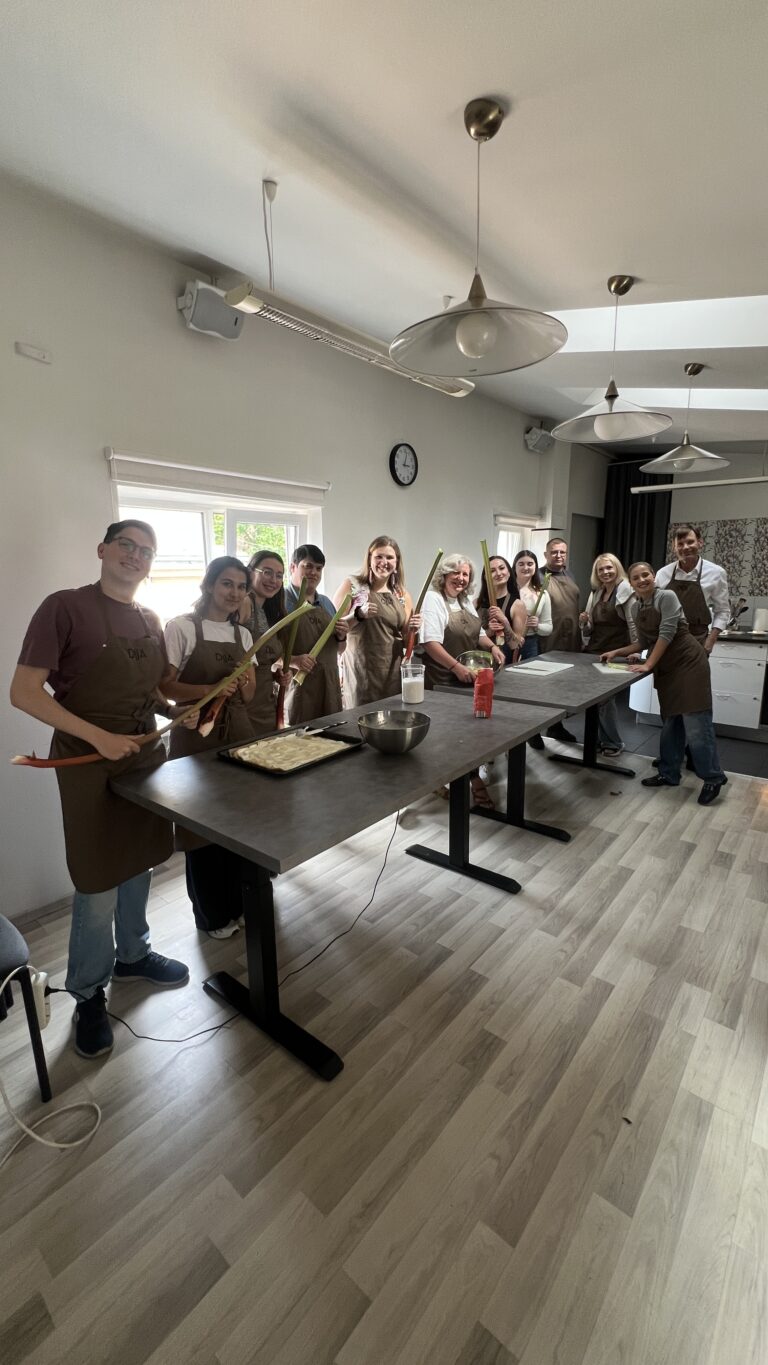
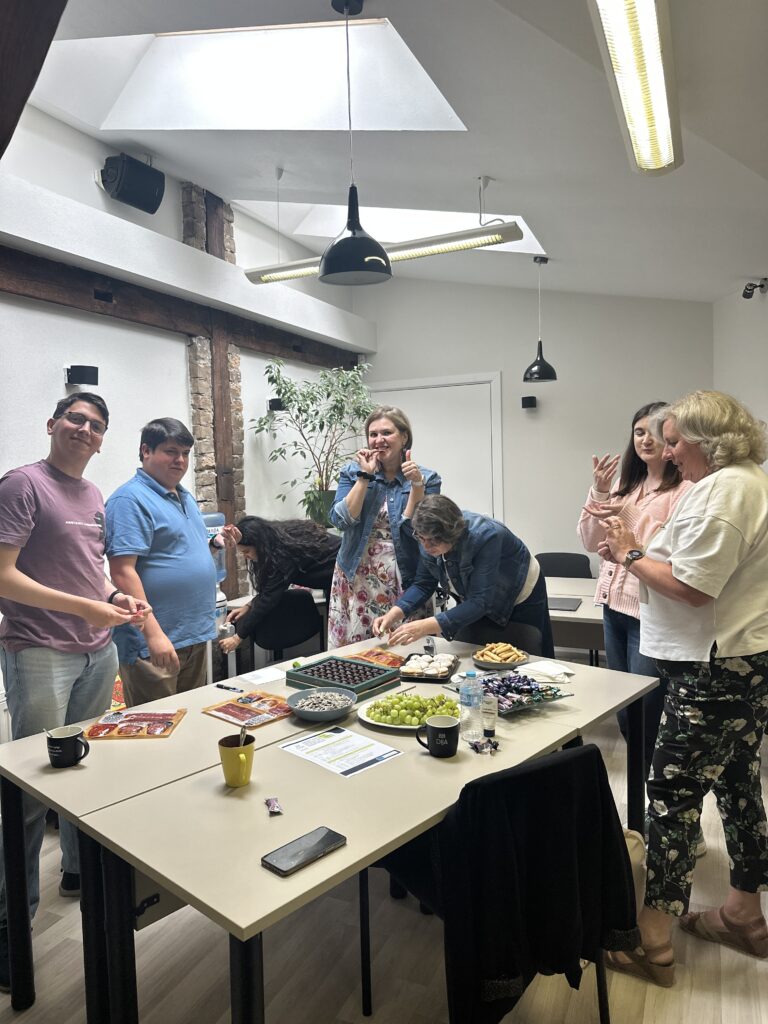
In addition to professional learning, the activity strengthened international cooperation, communication skills, and partnership capacity among participating organizations. The training also followed environmentally friendly and sustainable practices wherever possible and supported inclusion, ensuring participation of people with fewer opportunities. Overall, the activity contributed directly to the project goals of digital transformation, inclusion, organizational capacity building, and enhanced competitiveness in adult education, while reinforcing long-term international cooperation.
In addition, it should be highlighted that the Lithuanian team used a green and environmentally friendly travel option, travelling by car on the route Vilnius – Riga. This sustainable travel choice helped reduce the environmental impact of mobility and demonstrated the participants’ commitment to applying environmentally responsible practices within international training activities.
More info about partners:
IVAIGO: https://www.ivaigo.lt/projects-1/digitalization-makes-sense
NEOTALENTWAY: https://neotalentway.com/digitalization-makes-sense/

 English